Discovering a Borderlands Community in Arizona

My husband and I headed to Camp Naco in southern Arizona on a Saturday morning to see where Buffalo Soldiers played baseball and learn about the outlaw Cactus League formed in 1910. Like many historic locations, the actual structure is long gone but a gifted storyteller skillfully laid out historical facts along with a few artifacts to help us to visualize the field. 

After viewing the field, we got in our cars to drive to the elementary school in the small town of Naco for his formal presentation.

This was a first for me. Naco is a place I typically drive past on a visit to Bisbee. I have an awareness that a small number of people live there but that’s pretty much it. While navigating the streets to the school, I catch a glimpse of a Mexican flag on the horizon.

The Mexican flag flies over Naco, Sonora on the southern border.

The baseball presentation was very interesting, even for a person like me who isn’t particularly into the sport. It helped me understand the popularity of a game in small towns across America and Mexico during a time without radio, television or internet.

An hour later it was time to get back in my car and drive home, but I wanted a closer look at the Mexican flag I had seen earlier. I didn’t have far to travel. Less than a block away was Towner Street which leads to the Naco Port of Entry.

I live in southern Arizona. The idea that our shared border is part of the landscape is something those of us who live here are familiar with. I used to drive to Nogales, Arizona (about 45 minutes away) to walk over to Nogales, Sonora for a quick shopping trip and lunch. I haven’t done that in more than 15 years. I live in the southeastern corner of the state in Cochise County. I drive through a Border Patrol checkpoint inside the U.S. every time I head to Tucson. It’s not uncommon to see their vehicles in the streets here. Over the past five years it’s become a regular thing to see them in high speed pursuits of human smugglers through our communities. Turns out that most of these drivers are American teenagers recruited on social media with the promise of $1K per head. Some aren’t even old enough to have a drivers license and their sketchy driving while being chased by law enforcement has lead to serious accidents and even a couple of deaths. 

Just up the road from my home is the Army installation I worked on for more than 25 years. It is now the headquarters for the military southern border mission bringing an additional 500 Soldiers to my community and regular helicopter traffic. That’s not really all that shocking. In retirement I’ve taken up the mission of telling the stories of Soldiers who were here more than 100+ years ago to conduct a similar mission.
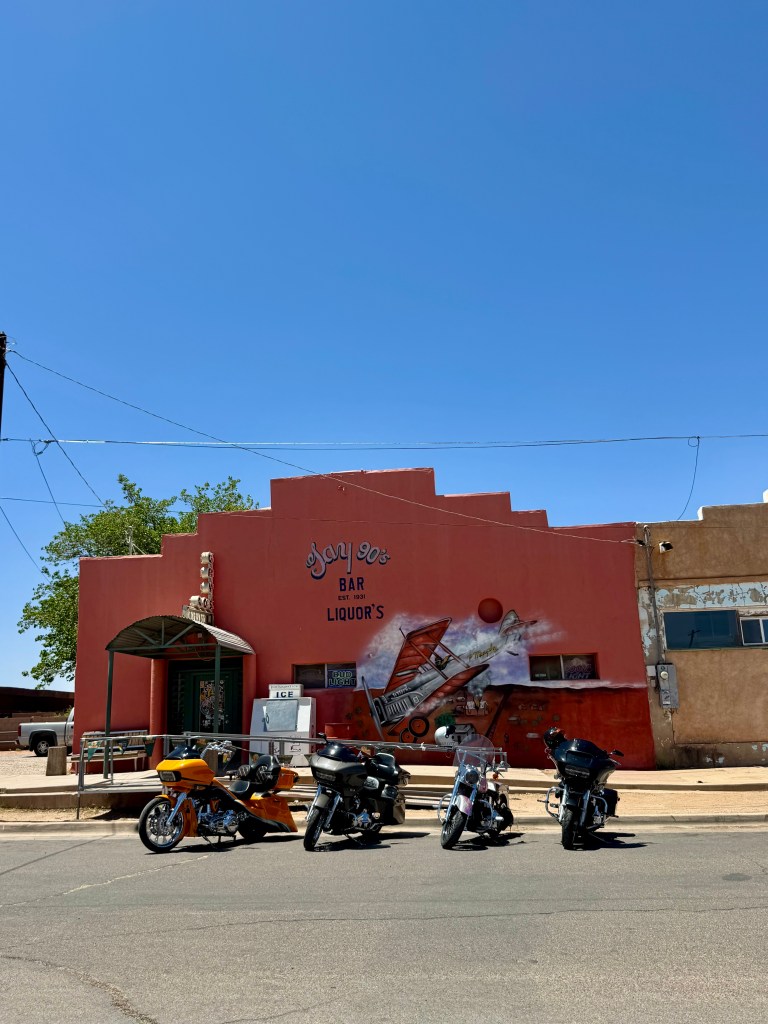
The Gay 90s Bar has been wetting border visitors’ whistles since 1931. A painting of Patrick Murphy’s accidental bombing of the town adorns the front of the building.

As I got out of my vehicle to walk down Towner Street to our border with Mexico, the view in front of me wasn’t seen through a filter of drugs, human misery, cartels and violence but one of small communities co-existing. I bumped into our baseball historian who invited me into the Gay 90s Bar for a drink and presumably colorful stories. Lou waited patiently in the car while I played documentarian so I asked for a rain check. Before I continued my stroll, the historian recommended a nice restaurant on the Sonoran side of the border and shared a story about a local entrepreneur who ran a bus service for Soldiers to visit the bustling red light district across the border. During Prohibition, visitors parked their vehicles on the Arizona side to cross over to Mexico.

Naco has earned an interesting historical footnote for being the first aerial bombardment of the continental United States by a foreign power. 

The incident took place in during the Escobar Rebellion in 1929. Rebel forces battling Mexican Federales for control of Naco, Sonora hired mercenary pilot Patrick Murphy to bombard government forces with improvised explosives dropped from his biplane. Miscalculating the locations of his targets, Murphy mistakenly dropped suitcase bombs on the American side of the international border on three occasions. This caused quite a bit of damage to private and government-owned property, as well as slight injuries to some American spectators watching the battle from across the border. A depiction of Murphy in his biplane adorns the wall of the Gay 90s bar commemorating the bombing.

When hostilities waned in the region, the Naco Hotel advertised its rooms as “bulletproof.”

The remnants of the Naco Hotel still stand. Once advertised as safe from violence on the Mexican side of the border, locals still refer to it as the Bulletproof Hotel.

Ghosts of boarded up buildings along a once busy street hint at a vibrant borderland. I look forward to coming back to the Gay 90s Bar for a thirst quencher and to learn more about the time Nancy Reagan visited and got a bit tipsy. Maybe with some liquid courage I’ll walk through the port of entry to eat a meal in Mexico.

I live in a place where everything the light touches is the border. It isn’t some distant, ominous presence making headlines. It’s a place populated with resilient people withstanding the winds of change and it’s much closer than I realized.

Faded signs on abandoned buildings line a formerly thriving thoroughfare.

Banding Hummingbirds in the Huachucas

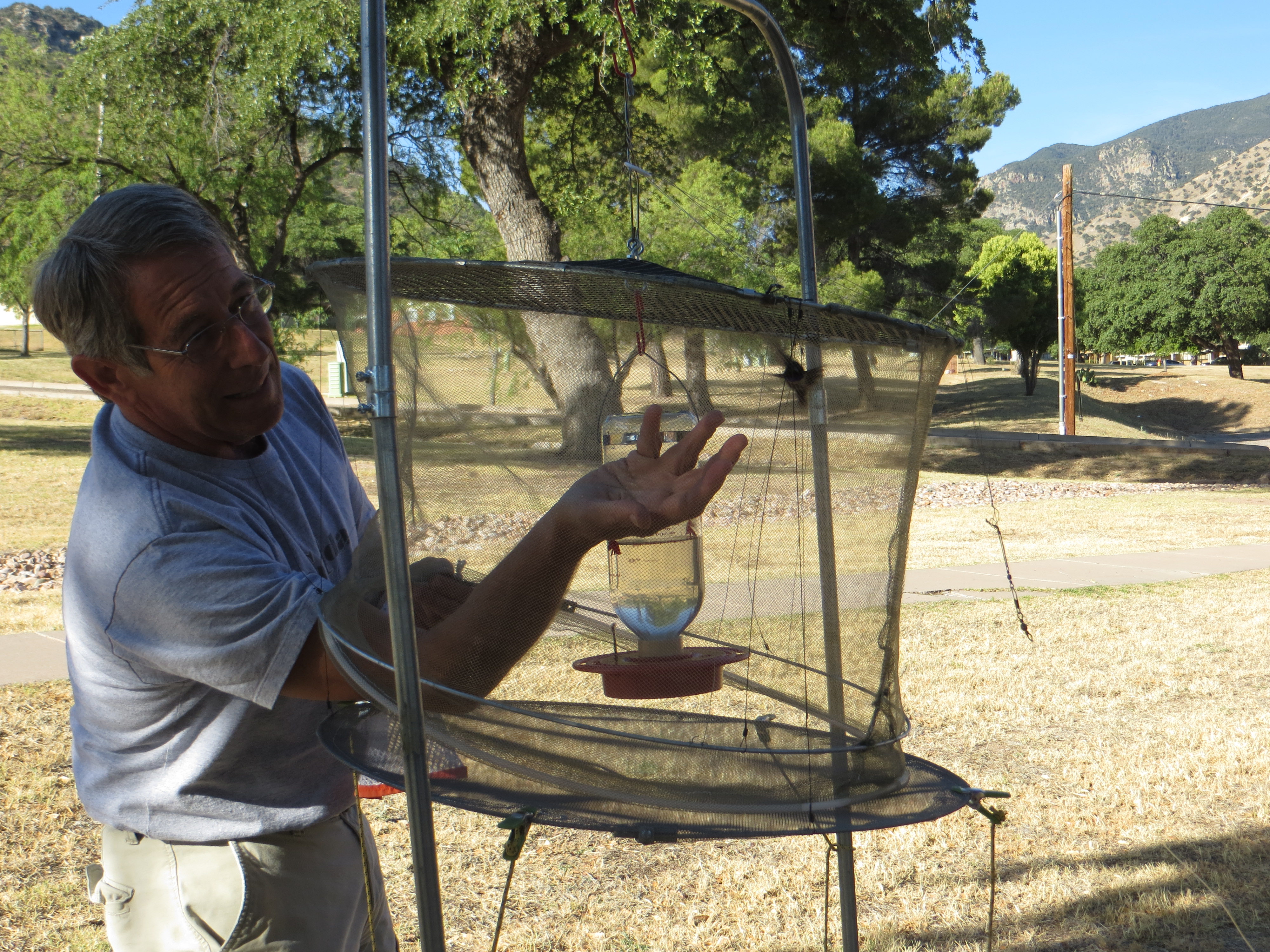
How do you band hummingbirds?  Very, very carefully.  Perhaps a better question is why do you band hummingbirds.

The Hummingbird Monitoring Network has been banding and collecting data on hummingbirds in front of the Public Affairs Office on Fort Huachuca for the past 11 years.  This location is one of many where this is done in southern Arizona.

The Sky Islands of southern Arizona are a superhighway for birds migrating from Mexico up north.  Some birds are just passing through, while others are seasonal visitors.  Cochise County in southeastern Arizona is home to one of the most diverse populations of hummingbirds in North America.  Put up a hummingbird feeder here and the tiny, jewel-toned birds will come.

IMG_4531

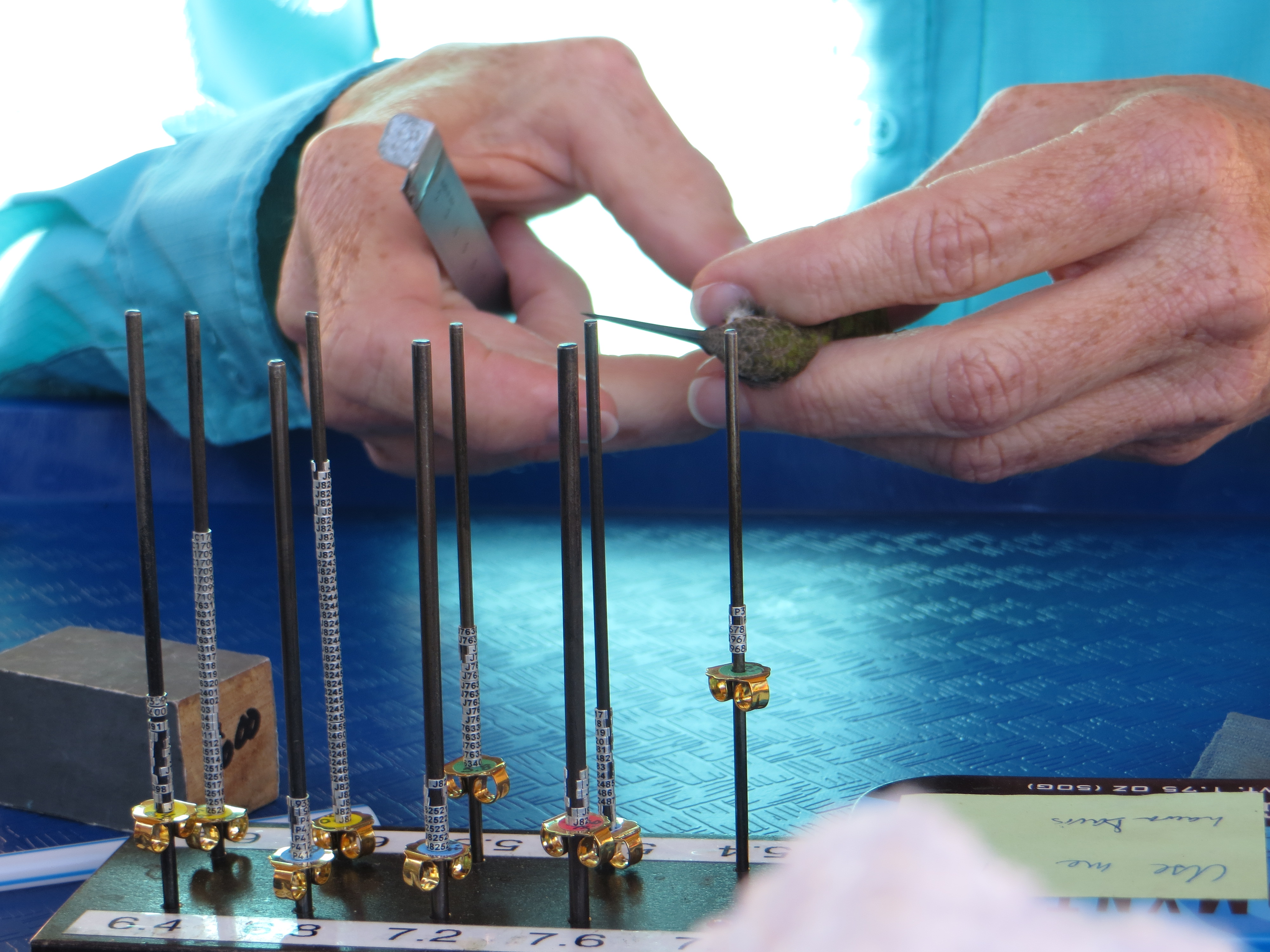
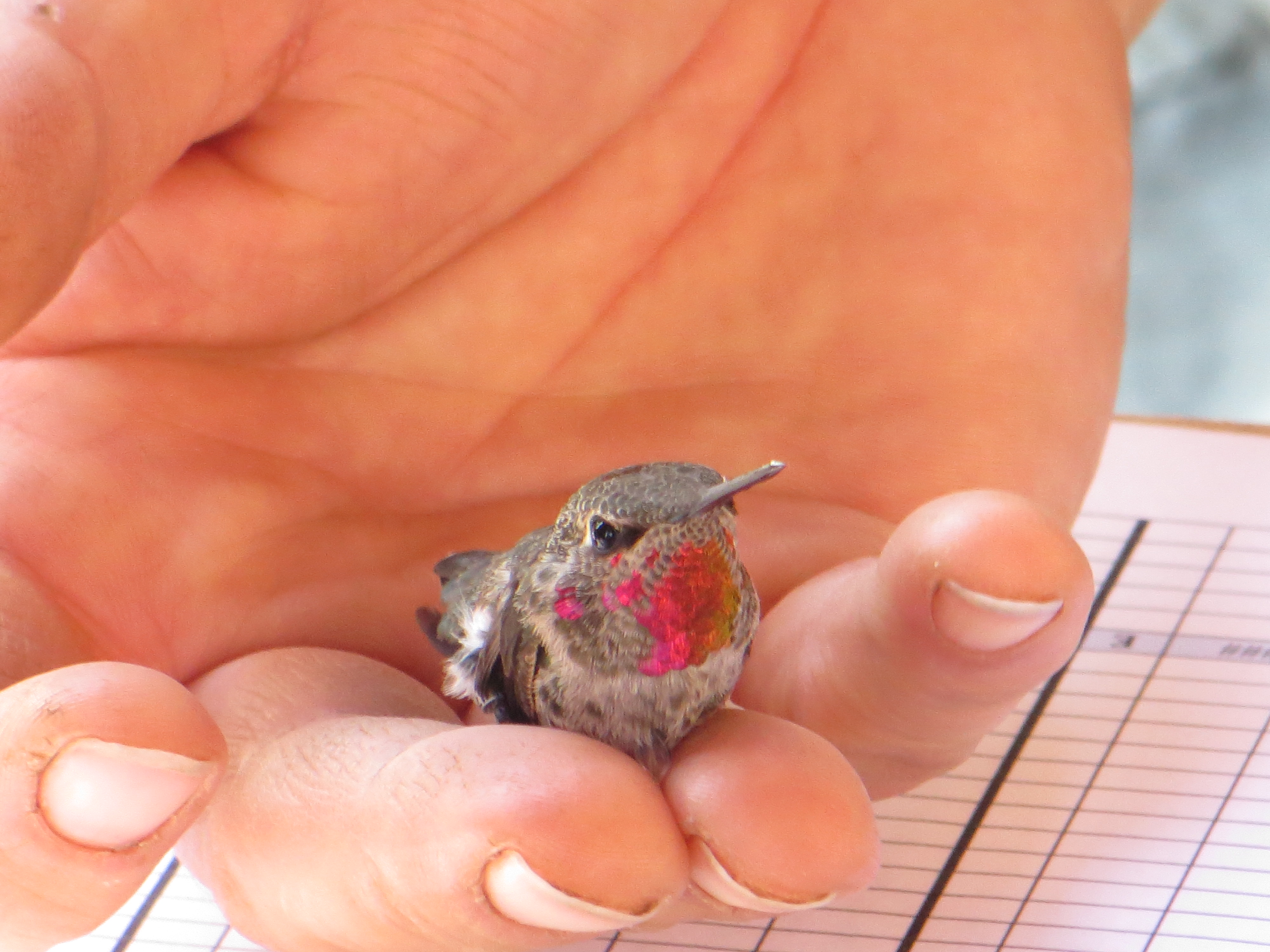
On the particular Sunday I spend with the volunteers from HMN, Anna’s and Black Chinned hummingbirds were primarily banded.  In between banding birds, permitted hummingbird monitor Laura Davis shared a story about one Rufous hummingbird she had banded.  Eighteen days after banding and recording the bird’s data, he was re-captured.  In British Columbia, Canada!  These tiny birds really get around.  Considering that for most of them the journey starts deep in Mexico, it is an awesome distance for something that only weighs about three grams to fly.  Recording band numbers not only provides information about the number and types of birds in the area, but also is key to understanding their migration.

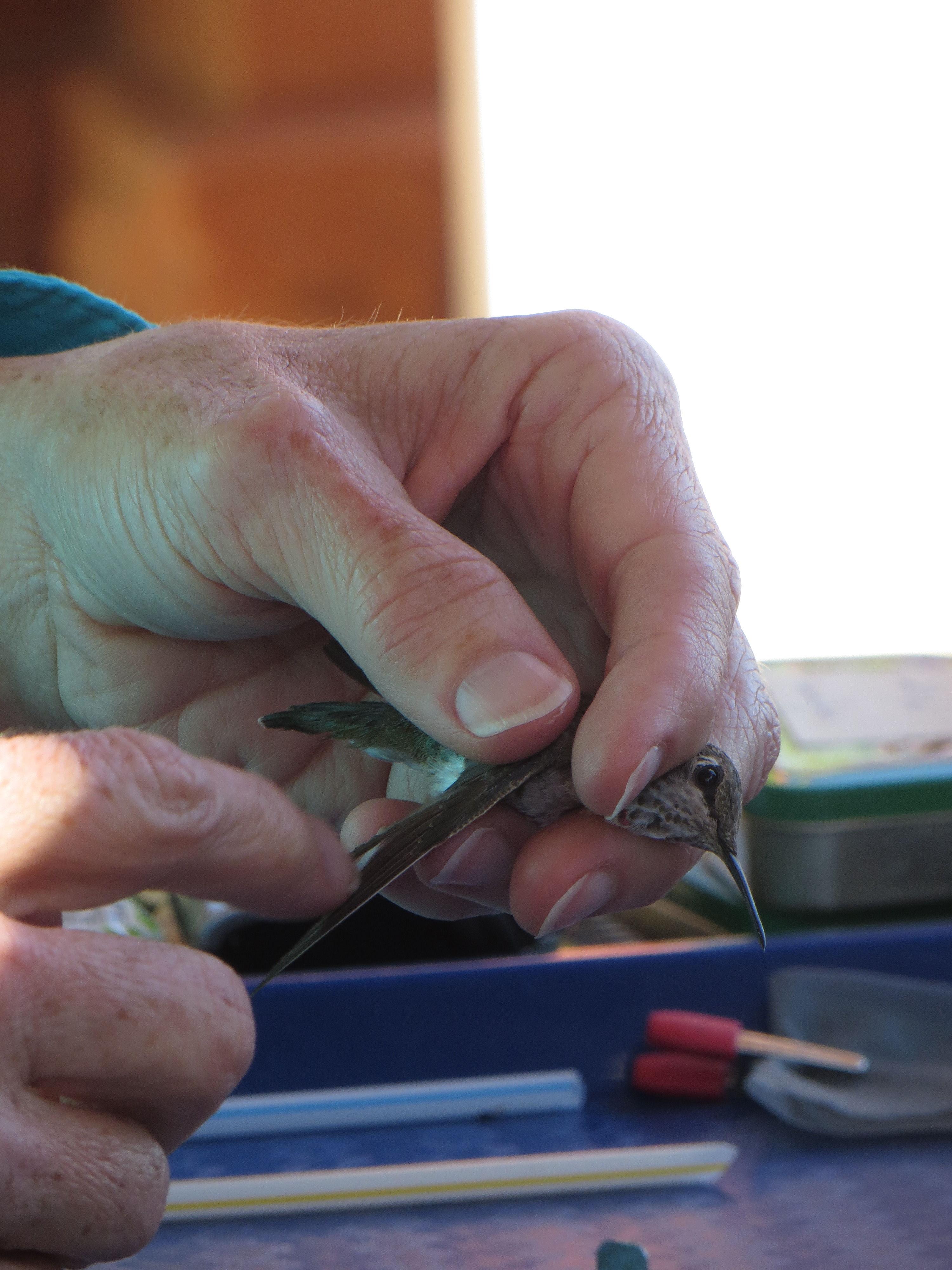
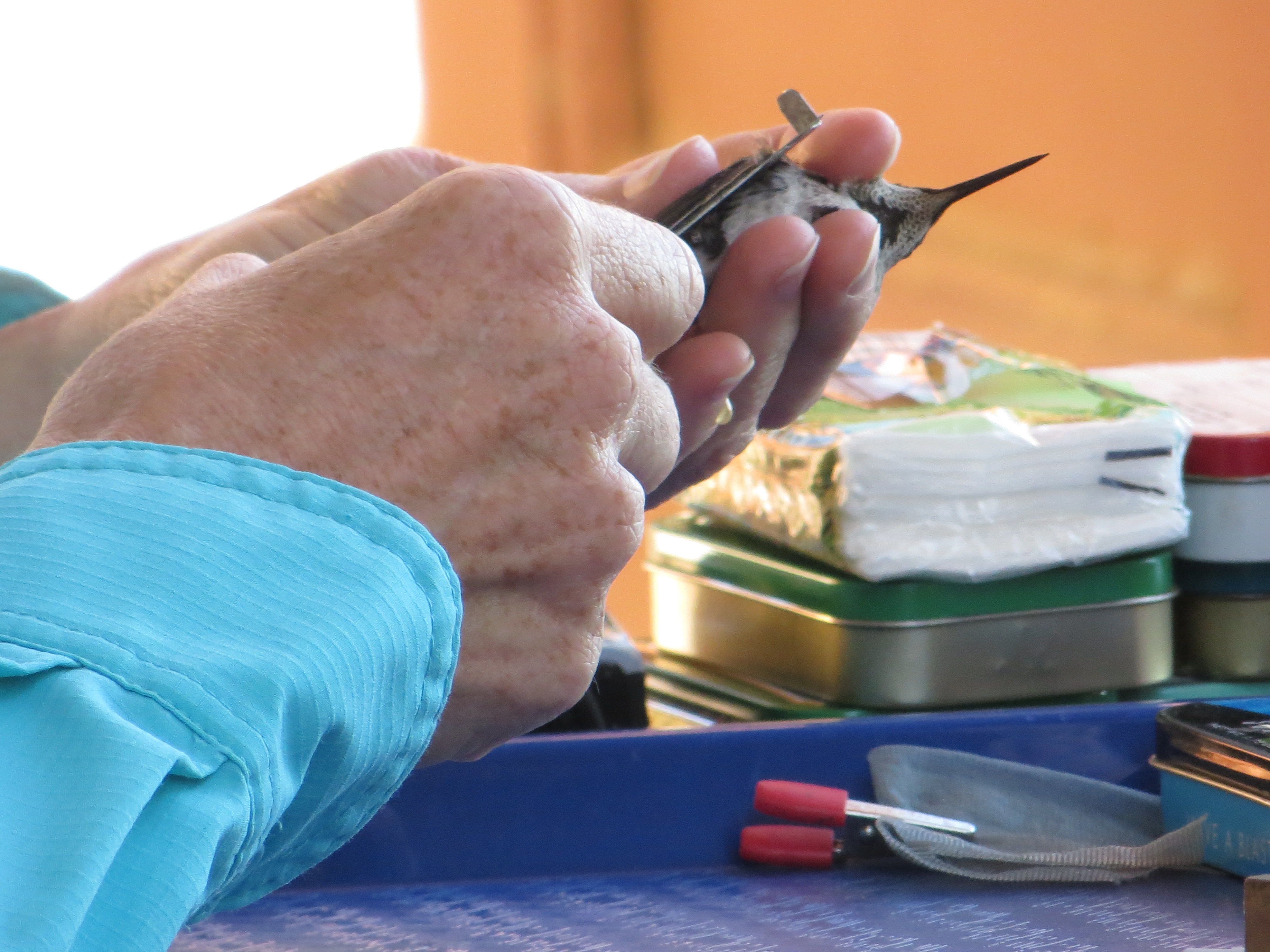
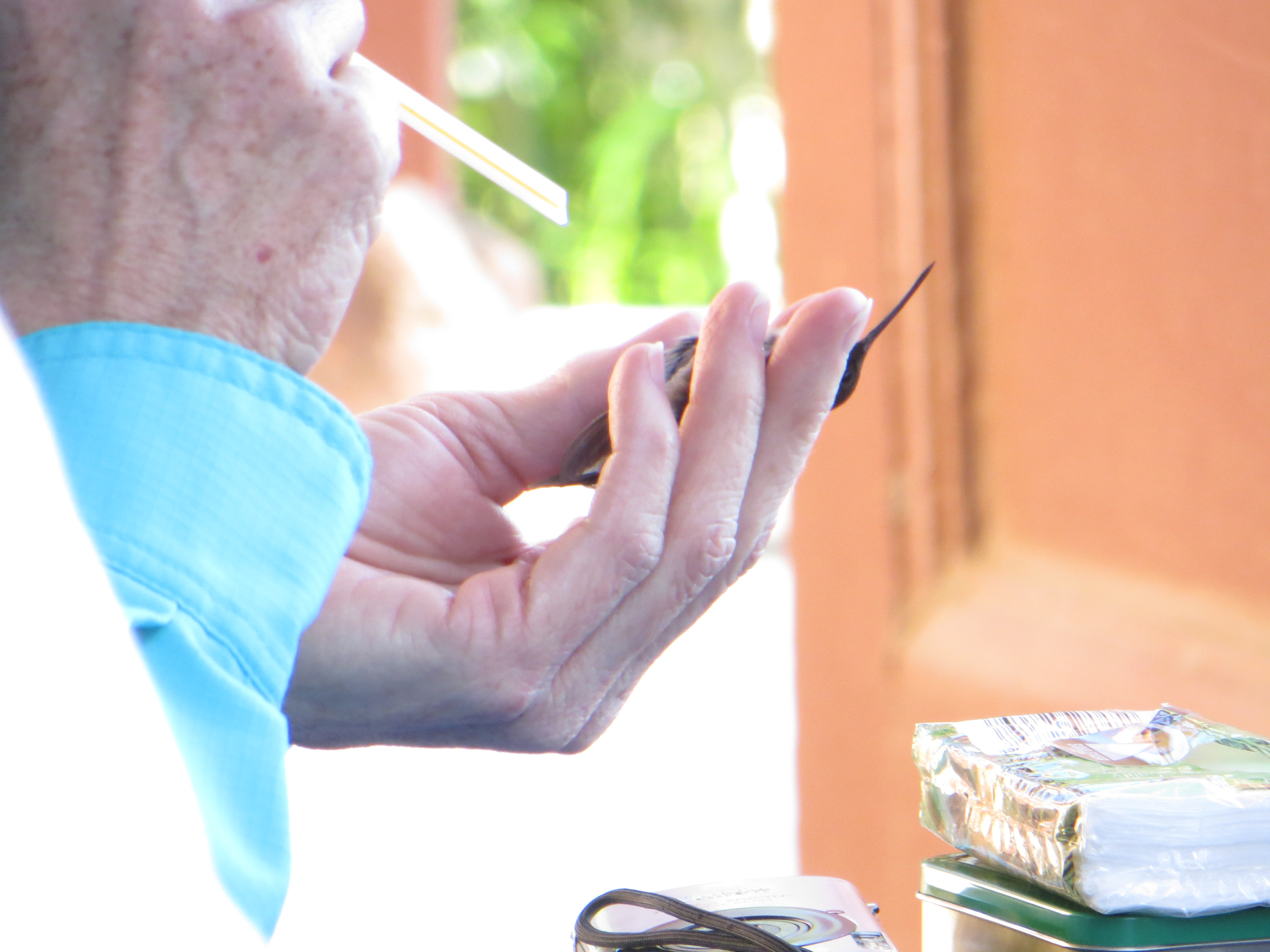
Once a bird is captured, Davis delicately checks for a previous band.  If no band is present, she measures the bird’s legs for an appropriate-sized band.  She then checks the gorget (band of feathers around the throat) to determine its age.  The bird’s bill is measured, feathers checked for determine sex and then with a straw, she blows on the feathers on its throat and belly to determine how much fat the bird has stored.  This is a key determination of a bird preparing for migration.  It’s skin is red.  If it appears to be creamy-colored it is a sign that the bird is fattening up to begin a major migration.

The hummingbirds are wrapped in a piece of mesh that is clipped at the ends and weighed.  While all the birds are small, there are variations in size.  I was on hand once when the volunteers captured a Broadbill and a Calliope, one being the largest humming bird in the area and the other the smallest.  The difference in size was quite stunning.

After undergoing the stress of being weighed, measured and examined, the bird is rewarded with a sugary snack.  Sometimes the birds fly away immediately, other times they will perch on a hand until they’re ready to leave.

IMG_4499IMG_4528IMG_4483IMG_4551 IMG_4539 IMG_4521IMG_4558 IMG_4510 IMG_4491 IMG_4482

The Hummingbird Monitoring Network is a science-based, non-profit organization dedicated to the conservation of the birds’ diversity throughout the Americas.  HMN focuses on monitoring hummingbirds to learn more about their populations and where they live and reproduce, conducting research to learn more about hummingbirds, educating the public about hummingbirds and restoring habitat.

Learn more about the HMN’s work and volunteer opportunities at http://www.hummonnet.org.  Pay a visit to one of the banding sites when volunteers are in action.  The volunteers are passionate about hummingbirds and will share their knowledge with you. If you’re very lucky, they might place a bird in your hand after it’s received its band and had its measurements taken.  That is truly a once-in-a-lifetime experience.


Discovering Cambodian Pepper in Cologne

I’ve been to quite a few wine tastings in Germany, but this was my first pepper tasting. The guys at Hennes’ Finest Trading Company import Kampot pepper from Cambodia.  I had an opportunity to visit their store in Cologne, Germany during a May visit and experience the “champagne of peppers” firsthand.

As I walked through the door of their shop, the aroma of pepper was immediately noticeable.  But this isn’t the dry, slightly musty pepper smell that you’re used to and probably makes you sneeze.  The aroma at Hennes’ Finest is a subtle, floral/herbal smell of pepper.  It’s pleasant and made me eager to learn more about this special pepper I knew nothing about.

The pepper guys at Hennes’ are on a mission to introduce a new pepper culture to German cuisine and free the nation from bad pepper.  If you’re visiting Germany and have an opportunity to visit Cologne, stop by one of their two locations in the city and prepare your taste buds to have a whole new relationship with pepper.

IMG_4416

My pepper sommelier, Martin ground four different versions of their pepper so I could enjoy the subtle differences in bouquet and then taste. I got to experience different aroma and flavor notes of their black, white, red and dark red Kampot pepper.  Martin ground a small amount of each pepper onto the palm of my hand.  He then encouraged me to spread the freshly-ground pepper with a finger in order to aerate it and fully develop the aroma.  After inhaling its smell, I taste the pepper. The peppercorns all come from the same region of Cambodia and the same plants, but the differences come in how they are processed.

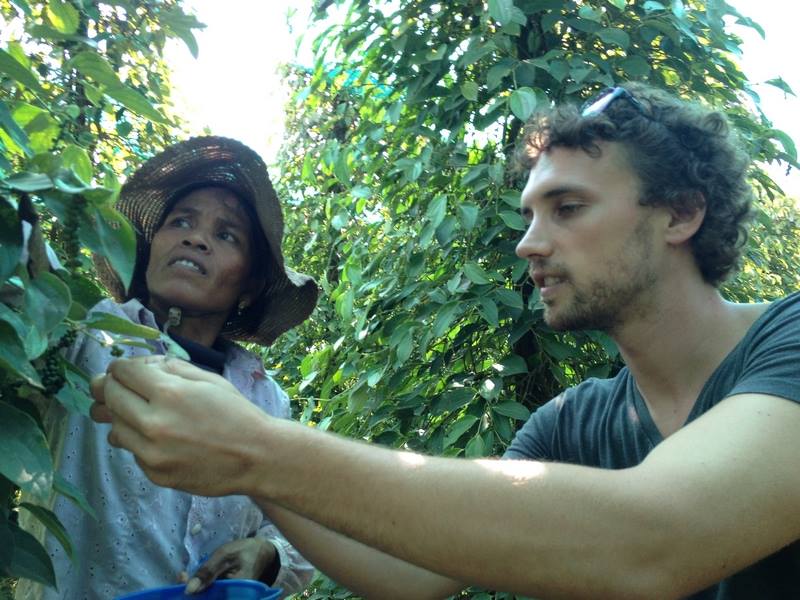
Martin gets hands-on with the harvest in Cambodia.  Each individual peppercorn of this noble spice is harvested by hand.

Martin gets hands-on with the harvest in Cambodia. Each individual peppercorn of this noble spice is harvested by hand.  (Photo:  Hennes’ Finest Trading Company)

What is Kampot pepper?  The Kampot region of Cambodia is situated between the coast and the mountains and provides the ideal climate for pepper plants.  Minerals in the ground are a perfect source of nutrients for the plants.

I’m a fan of this champagne of peppers and have a whole new respect for something I viewed as a seasoning workhorse in my kitchen.

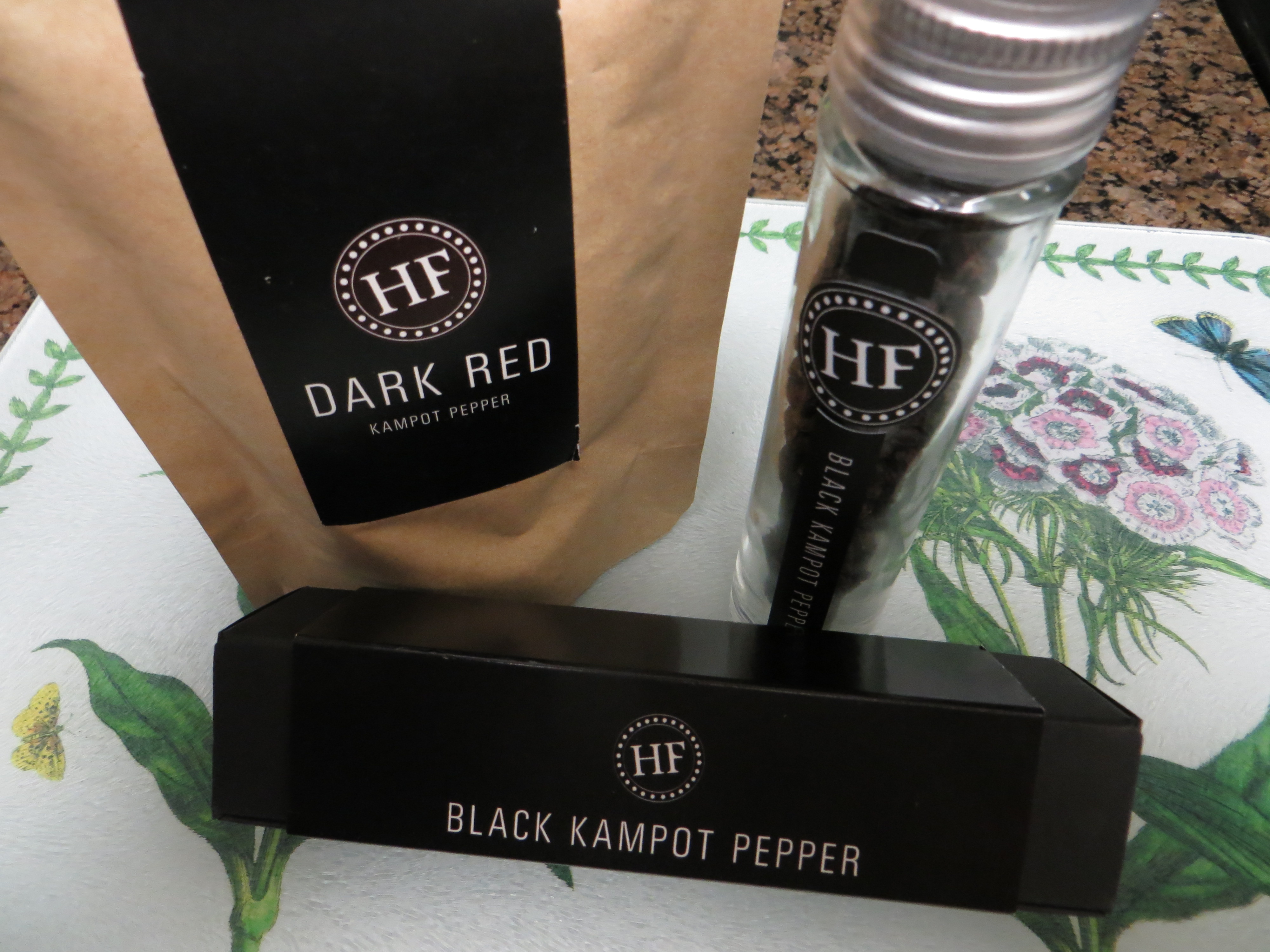
I was gifted with the dark red and black peppers by my cousin, who introduced me to this special spice.  I look forward to culinary experimentation in my kitchen in Arizona.

I was gifted with the dark red and black peppers by my cousin, who introduced me to this special spice.

My culinary curiosity will compel me to make another visit to Hennes Finest Trading Company in Cologne on my next visit to Germany.  In the meantime, I have a nice little supply of their red and black peppers to spice things up in my Arizona kitchen until then.

If a visit to Germany isn’t on your horizon, you can make a virtual visit to Hennes’ Finest Trading Company at the following sites:  http://www.hennesfinest.com, http://www.facebook.com/hennesfinest and http://www.pinterest.com/hennesfinest.  (Please note:  all their information is in German.)

Take It Easy In Winslow, Arizona

Winslow 3

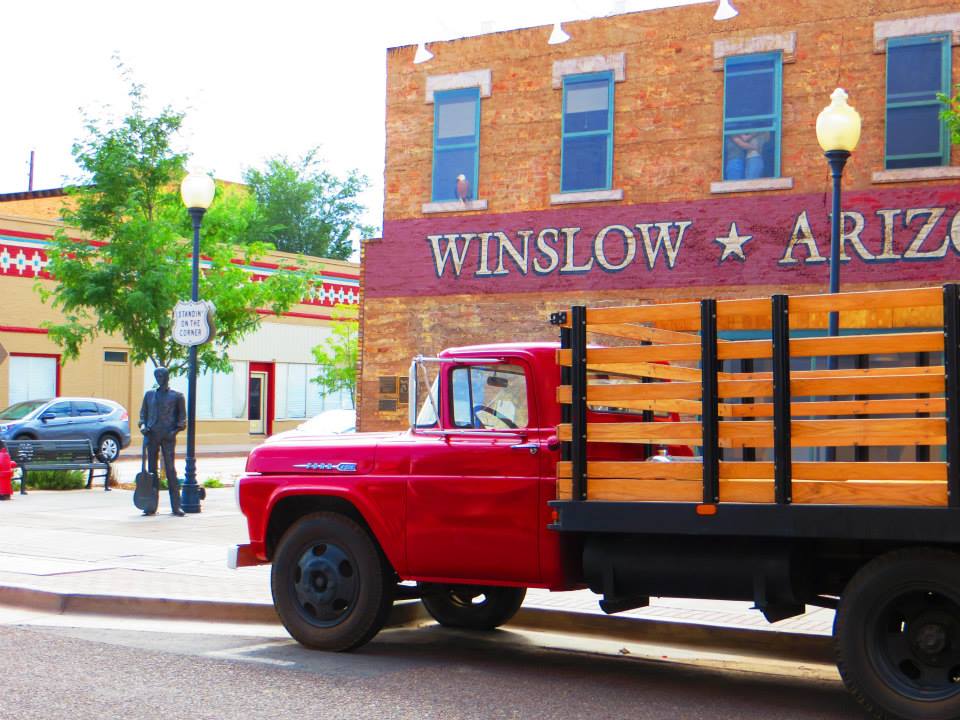
The famous corner and the flatbed Ford. If you look closely, an eagle is painted on the upper left window ledge in an homage to the group who immortalized the area in song.

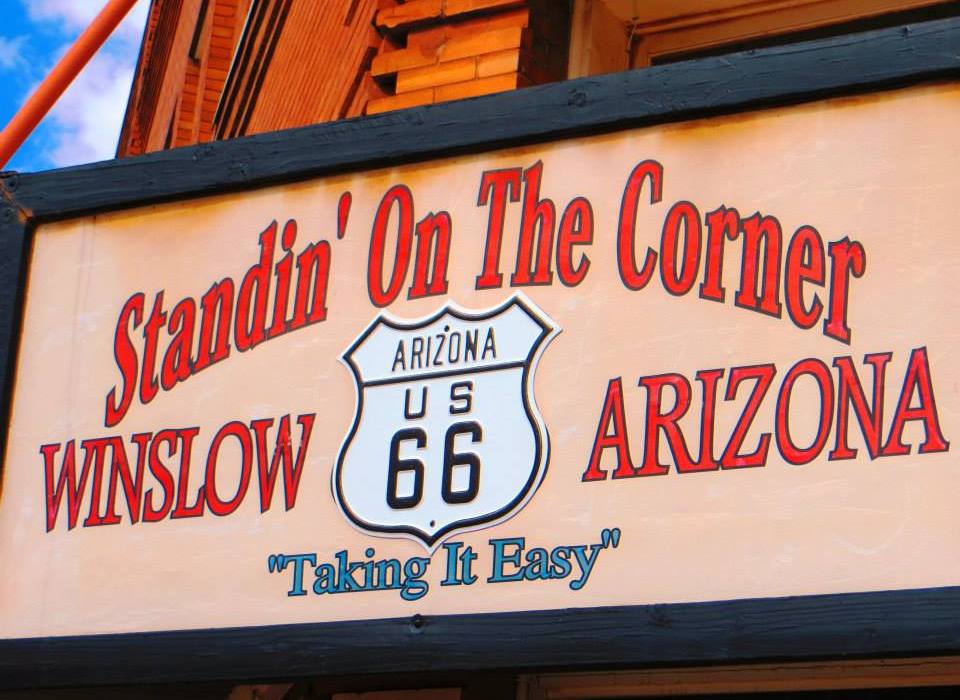
Why Winslow? A mention of Winslow, Arizona immediately brings to mind the popular Eagles’ song, “Take It Easy.” You may not remember the lyrics to the entire song but you probably can sing, “Well I’m standin’ on the corner in Winslow, Arizona and such a fine sight to see. It’s a girl, my lord in a flatbed Ford, slowin’ down to take a look at me.” Whether you’re in a flatbed Ford or some other mode of transportation, you can slow down and actually take a look at the famous spot immortalized in song at the Standing on the Corner Park on 2nd Street. A gift shop across the street continuously plays Eagles music, including “Take It Easy,” to help you get in the mood.

After you’re done standing on the corner, you can get your kicks on Route 66. The Mother Road, as Route 66 is sometimes called, runs right through this part of northern Arizona. Established in November 1926, in its heyday the famed road stretched 2,448 miles from Chicago to Santa Monica, California. Route 66 served as the route for those who migrated west, especially during the Dust Bowl of the 1930s. And much like the famed corner, the Mother Road is immortalized in song. “Route 66,” which made the phrase “get your kicks on Route 66” famous, was first published in 1946 and has been recorded by a variety of artists. Download your favorite version and add it to your Winslow playlist to celebrate the romance and freedom of travel on the open road in a bygone era. This iconic American highway even had its own television show in the 1960s, “Route 66.”

Turquoise Car

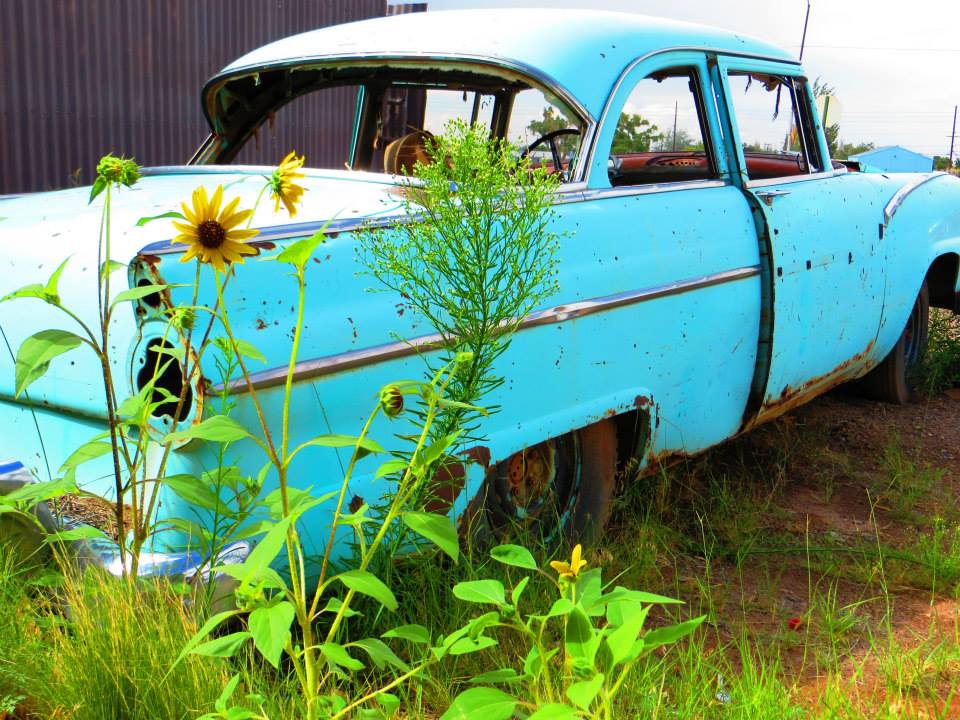
You don’t have to look hard for remnants of Winslow’s Route 66 history.

Route 66 was officially no long part of the U.S. Highway system by June 1985. It had been replaced by the Interstate Highway System. Portions of the road have been designated a National Scenic Byway named “Historic Route 66.” It’s not unusual to see vintage cars or groups of motorcyclists enjoying the nostalgia of the Mother Road on these stretches.

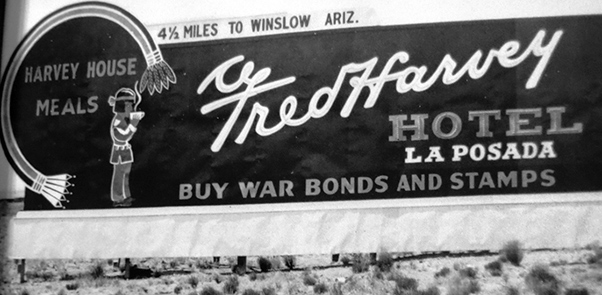
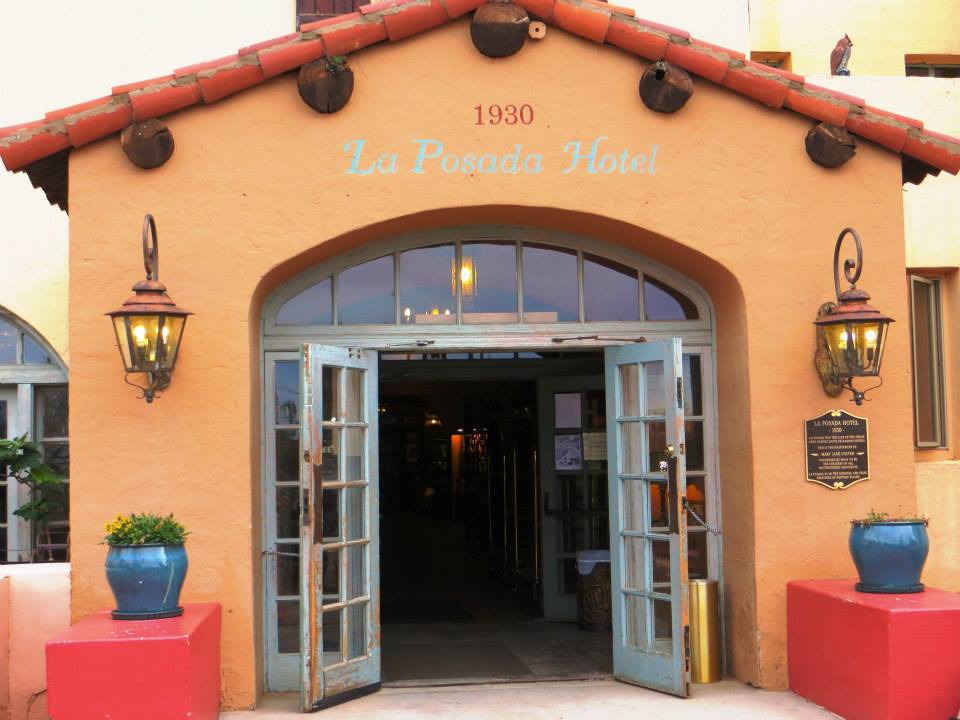
Less than two blocks from the famous corner is another iconic landmark to American travel. La Posada, the resting place, was one of the Fred Harvey’s famed hotels. Fred Harvey was an entrepreneur who developed the Harvey House lunch rooms, restaurants, souvenir shops and hotels. An innovative restaurateur and marketer, Fred Harvey is credited with creating the first restaurant chain in the U.S. and was a leader in promoting tourism in the American southwest in the late 19th and early 20th centuries. Built in 1929, La Posada was to be the finest hotel in the southwest. Construction costs alone exceeded $1 million in 1929 and the total budget with grounds and furnishings was rumored to be $2 million (about $40 million in today’s dollars). The hotel was designed by American architect Mary Elizabeth Jane Coulter. Coulter considered La Posada her masterpiece. She designed the entire resort from the building to its gardens, furniture, china—even the maids’ uniforms. Coulter built 21 projects for Harvey, but this hotel was her favorite. Winslow was chosen as the location for this grand hotel because it was the Arizona headquarters for the Santa Fe Railway and popular destinations like the Painted Desert and the Grand Canyon were within a day’s drive.

Harvey popularized travel to the west by introducing linen, silverware, china, crystal, and impeccable service to railroad travel. Harvey’s standard of hospitality and the waitresses he employed, became so popular that it spawned the movie “Harvey Girls” starring Judy Garland in 1946. The Fred Harvey legacy survived until the death of his grandson in 1965. Elements of the Fred Harvey Company have continued to operate since 1968 as part of a larger hospitality industry conglomerate. The Santa Fe railroad closed La Posada hotel in 1957 and it was used as an office building. At some point, this former grande dame of railway hotels was abandoned and fell into disrepair.

Winslow 2

A picture of a La Posada billboard from the 1940s decorates a wall in the Amelia Earhart room of the hotel. Rooms at the hotel have a modern numbering sequence but are also named after celebrities of the 40s, 50s and 60s.

The hotel’s current owners have lovingly restored it to its former glory. Dine in the Turquoise Room on food La Posadagrown in the hotels gardens and be served by waitresses wearing the traditional Harvey Girl aprons. Relax in the gardens and watch the trains go by. All guests receive a history of the hotel when they check in. You’re free to explore the hotel on your own, or sign up for one the historic tours given regularly by retired Harvey Girls. La Posada now regularly earns a spot on the list of top historic hotels in the U.S.

If overnighting in a historic railway motel isn’t quite your thing, you might want to give a wigwam a try. Cruise Winslow 3down Interstate 40 to Holbrook for another authentic experience on Route 66, and check in to your very own teepee at the Wigwam Motel. Each of the 12 rooms is in a separate teepee building. Built in the 1950s, the popular motel fell out of the spotlight when it was bypassed by the interstate in the 1970s. It has regained favor with a new generation of travelers seeking Route 66 nostalgia. The vintage cars parked throughout the property reinforce the motel’s connection with the Mother Road. Whether you just want to stand on the corner or get your kicks, Winslow is a great destination to personally experience the heritage of travel in the American southwest.

I Didn’t Enlist, But I’m A Military Brat For Life

I am a bi-racial German-American.  Despite the several cultures hinted at in that sentence, the one I most identify with wasn’t even mentioned.  I am a military brat; an overseas Air Force brat to be more specific.

The Army started a campaign a few years ago to identify Army Veterans as Soldiers for Life with the motto, “Once a Soldier, always a Soldier.”  The idea is that time in uniform begins a lifetime of service.  Rightfully so.

In that vein, I like to think of military brats as Brats for Life (#BRAT4Life).  Once a brat, always a brat.  We were born into military families.   We didn’t put on the uniform.  We didn’t swear an oath.  We didn’t get medals.  But we served nonetheless.  Like dandelions, we bloomed wherever we were planted.  Those childhood experiences shape our adult experiences.  Some brats choose to follow in their parents’ footsteps and enlist in the military.  Others go into government service.  More still serve as coaches, teachers and mentors in their communities.

The U.S. Department of Defense conservatively estimates that 15 million Americans are former or current military brats. After 14 years of persistent conflict, more than 2 million American children and teenagers have had at least one parent deployed in a war zone. Nearly a million of them have had a parent deployed multiple times.

How do you recognize a military brat?  We almost always address someone senior to us or in uniform as “Sir” or “Ma’am.” We never leave the house without some form of identification with us.  We always stand at attention and face the nearest flag whenever the National Anthem is played.

Military kids have their own rich history that goes back to founding of our Nation.  Some social scientists have described them as one of America’s oldest and yet least well-known nomadic subcultures. History shows that military spouses and their children have been following armies for thousands of years, maybe for as long as there has been organized warfare.
No one really knows where the term military brat originated. Some think that it dates back to the British Empire hundreds of years ago and originally stood for British Regiment Attached Traveler.  Born, Raised And Transferred is a popular modern interpretation but I prefer Brave, Resilient, Adaptable, and Trustworthy. We may not agree on how the term originated and what it means, but it’s a term that military kids, especially when they reach adulthood, wear like a badge of honor.  It’s the way we identify with others who grew up the same way we did.

So often people talk about the sacrifices military children make. There is no question that being regularly uprooted and moved around to new places is challenging.  When I was a teenager, it mostly sucked.   I attended three different high schools. This was well before the advent of computers, smart phones and social media.  You knew that when you said goodbye to your friends, in most cases you would never see them again.  My generation of military brats made up for lost time and we are now all connected via Facebook.  It’s interesting to see who these kids grew up to be and it’s great to have a circle of friends who understand the whole brat experience and know where you’re “from.”

My Air Force Family taken some time in the late 80s when my dad was assigned to Stuttgart.

“Happiness is an Air Force Family” was a bumper sticker my dad had on his light blue Audi he nicknamed Air Force One. This picture was taken some time in the late 80s or early 90s when my dad was assigned to Patch Barracks in Stuttgart, Germany.

“It takes a village to raise a child,” is a popular phrase to describe raising a child. In the brat world that village is the military base your family is stationed at. I may not have realized it then, but it’s ironic now that my dad’s military specialty was intelligence.  When you grow up military, someone is always watching you.

I’ll never forget going on a date with a high school crush to the movie theater on base in Berlin.  After we stood up for the playing of the National Anthem (something that happens in all military theaters) and the lights dimmed, my date and I started making out like crazy.  As the movie ended and the lights came back up, the guy sitting two rows behind me said, “Hey, aren’t you Major Linton’s daughter?  I work with your dad.”  I probably turned 50 shades of red and wanted to sink into the floor. I sent up an immediate prayer to the guardians of teenage girls everywhere that this guy, who worked with my dad, wouldn’t say anything to him.  (For the record, he reported the encounter to my dad but not the details.)

Being surrounded by people who all know your parents and where they live and work isn’t necessarily a bad thing.  You maintain a situational awareness that someone may be “collecting intelligence” on you and reporting back to Headquarters Household.  It tempers some of the teenage hijinks and keeps them from veering into the dangerous or downright criminal.  The mere thought of my sponsor (parent in uniform) being called into his commander’s office to respond to an incident where there was a “failure to control his dependents” was enough to nip any extreme craziness in the bud for me.

Eventually, we brats grow up and and then comes that time when we turn 21 and the final military ID card expires.  It’s very traumatic.  I didn’t want to give mine up.  I held on to my ID card for months after it expired and was forced to give it up after a registered letter from an Air Force personnel office demanded I return it immediately to Bolling Air Force Base.  It felt like my membership to an exclusive club had been revoked and I was no longer welcome there.  Or so it seemed at the time.

The reality is that no one can ever take those experiences away from you.  You may no longer be a card-carrying member, but you have transitioned to being a BRAT4Life.  You are forever marked by the culture and environment that surrounded you since birth.  No matter which branch of service, which generation or even if you ever lived at the same military bases, you have something in common with every other military brat on the planet!

I work for the Army.  A year ago, I was in the office of our senior commander and took a look around at the personal memorabilia that decorated it.  My eyes landed on a framed black and white picture of an Airman in uniform and a desk plate for a tech sergeant with the same last name as my commander.  When there was an appropriate pause in the meeting I was attending I asked, “Sir, if you don’t mind me asking, is a member of your family in the Air Force?”  The Army two-star general responded that yes, his father had been an Air Force non-commissioned officer.  “Mine too!” I said.  I never in a million years would I have dreamed we had this common experience.  I later shared this story with my garrison commander and the colonel responded that his dad had also served in the Air Force.

The question, “Where are you from?” is the single hardest question for military brats to answer.  I’ve learned to answer with, “Well, I was raised in a military family . . . ” It’s not exactly a secret handshake but a fellow brat will always come back with a “So was I!”  Then we’re off to the races trying to determine if we were ever in the same place at the same time or high school football rivals in Germany.  It doesn’t matter if that person grew up in an Air Force, Army, Coast Guard, Marine Corps or Navy family, the homes we grew up in had similar values and we share similar experiences.

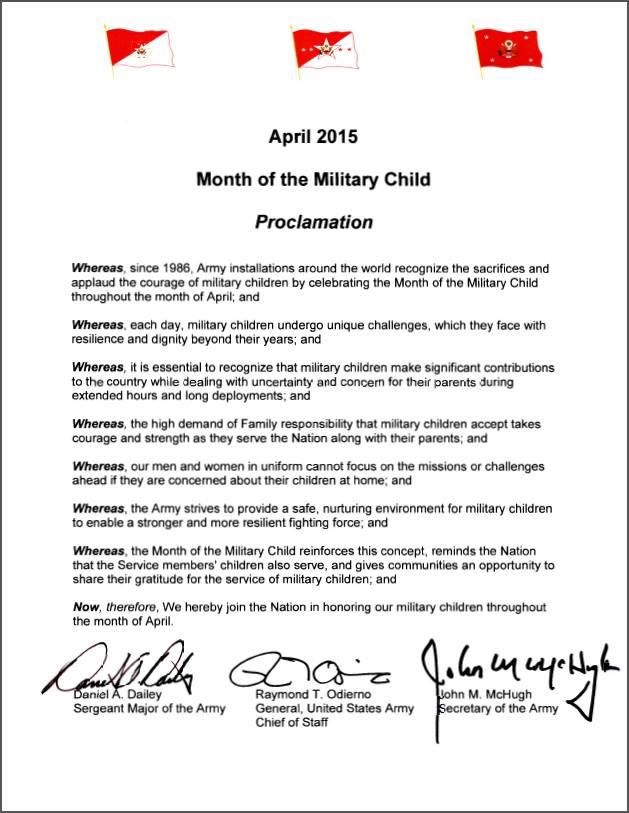
The way we military brats grew up makes us a little bit special.  So special that in 1986 the Secretary of Defense decided that one day to honor us wasn’t enough and created the Month of the Military Child.

MOMC Proclamation

The Army’s proclamation for Month of the Military Child.

April is Month of the Military Child.  Wear purple to demonstrate your support for military kids, identify yourself as a military brat, or do both!  Show your pride.  Celebrate your heritage.  Regardless of whether your battle cry is Hooah, Oorah, Hooyah, Air Power or Semper Paratus, this BravoRomeoAlphaTango FoxtrotOscarRomeo LimaIndiaFoxtrotEcho salutes you.  Once a military brat, always a brat.

Searching for Traces of the Ice Age in the Southern Arizona Desert

The Army has a saying:  No plan ever survives first contact.  I should’ve remembered that when I made plans to take part in a docent-led tour of the Murray Springs Clovis Site.  How hard can it be to travel back 13,000 years to the Ice Age in the southern Arizona desert?  By the way, I chose the hottest day of the year so far (it was nearly 90 degrees) to seek out remnants of the Ice Age.

The Murray Springs Clovis site is just south of Sierra Vista.  The Bureau of Land Management website’s instructions told me to head down Arizona State Route 90, turn left on Moson Road and then drive 1.1 miles (http://www.blm.gov/az/st/en/prog/cultural/murray.html).  So that’s what I did.  Except I drove all the way to the end of Moson Road looking for a sign to direct me to Murray Springs but never found one.

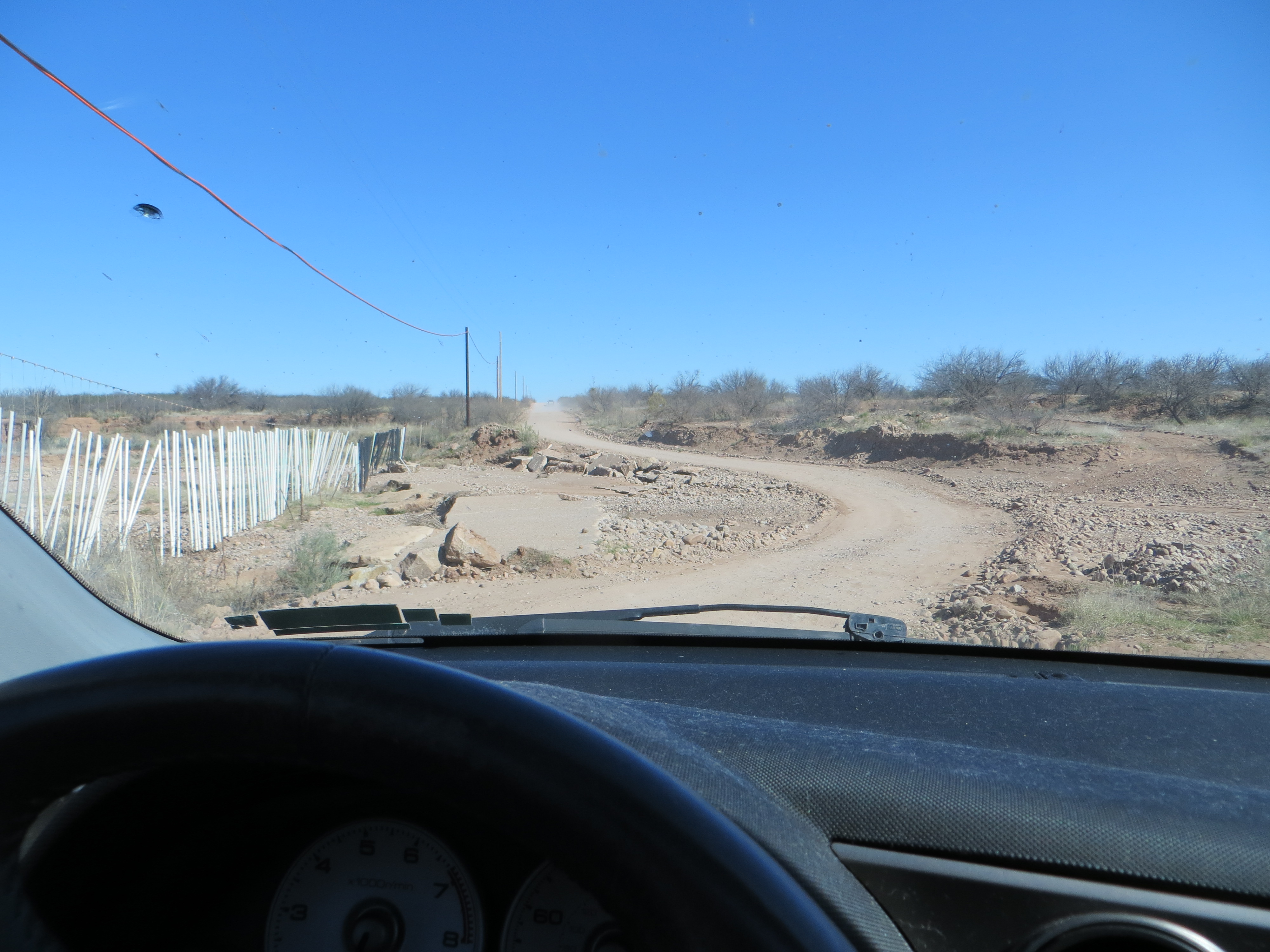
An undaunted citizen of the digital age, I pulled to the side of the road and punched up the GPS on my phone.  The GPS wouldn’t steer me wrong, right?  I fly down the road, cross the San  Pedro River, enter a maze of dirt roads running through private property and then finally encounter a locked gate at the end of the road less travelled.  The driver ahead of me came up to my window and asked me if I was lost.  When I explained that I was looking for Murray Springs he told me that I was extremely lost.  Murray Springs was on the other side of the San Pedro.  Oh dear.  Not only had my initial plan not survived first contact, but Plan B was toast too.

The GPS never lies, or does it?

The GPS never lies, or does it?

Now I had to try and retrace my route and find my way out of the maze back to the highway.  A couple of false turns later, I’m back in business.  As the lyrics of the classic Clash song, “Should I Stay or Should I Go,” run through my mind, I have a decision to make.  Do I give up completely or move on to something else? The quirky mining town of Bisbee beckons at one end of the highway and the San Pedro House at the other.  I save an exploration of Bisbee for another day and decide to pop in to the San Pedro House on my way home.  I will live to find Murray Springs another day, and figure having good directions will increase the likelihood of a future successful mission.

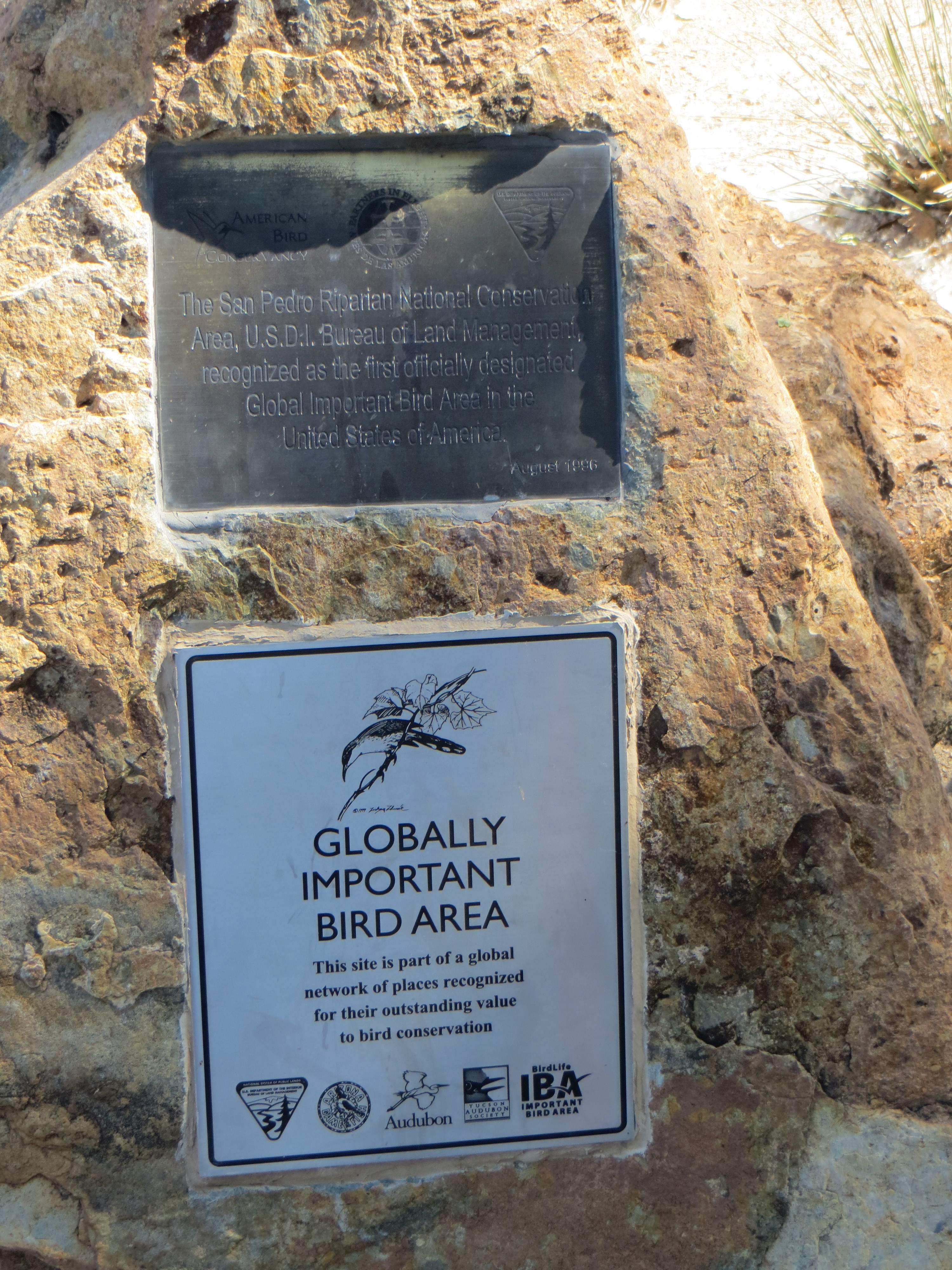
The San Pedro House sits near the banks of the river and is run by the Friends of the San Pedro, the same group that organized the tour I couldn’t find.  This place is a mecca for birding.  The San Pedro River is a super highway for migratory birds.  They are everywhere taking advantage of dozens of feeders on the property.  You can hear the high pitch chirping of hummingbirds as they whizz past you.  I know my curiosity will compel me to return for an avian adventure.

The San Pedro House is a birding mecca.

The San Pedro House is a birding mecca.

I go inside the house to communicate my search for Murray Springs using human sounds with the very nice lady at the register (although I get the sense she speaks fluent bird chirps) .  She provides me with some intelligence that explains my failure to find the site on my first attempt.  The sign on the road is missing and there is only one road you turn right on off of that section of Moson Road.  She gives me a map.  Armed with actionable intelligence, I’m ready to storm the objective.

Skeptical but determined, I head down the road on my third attempt to find Murray Springs.  I turn at what looks like a cattle gate.  I pull up closer to read the sign attached to it, and notice a small BLM symbol on it.  Maybe the third try is a charm?  I take the risk and continue down the dirt road to finally reach the Clovis site.  I’m ecstatic.

Eureka!

Eureka! Good intelligence = mission success.

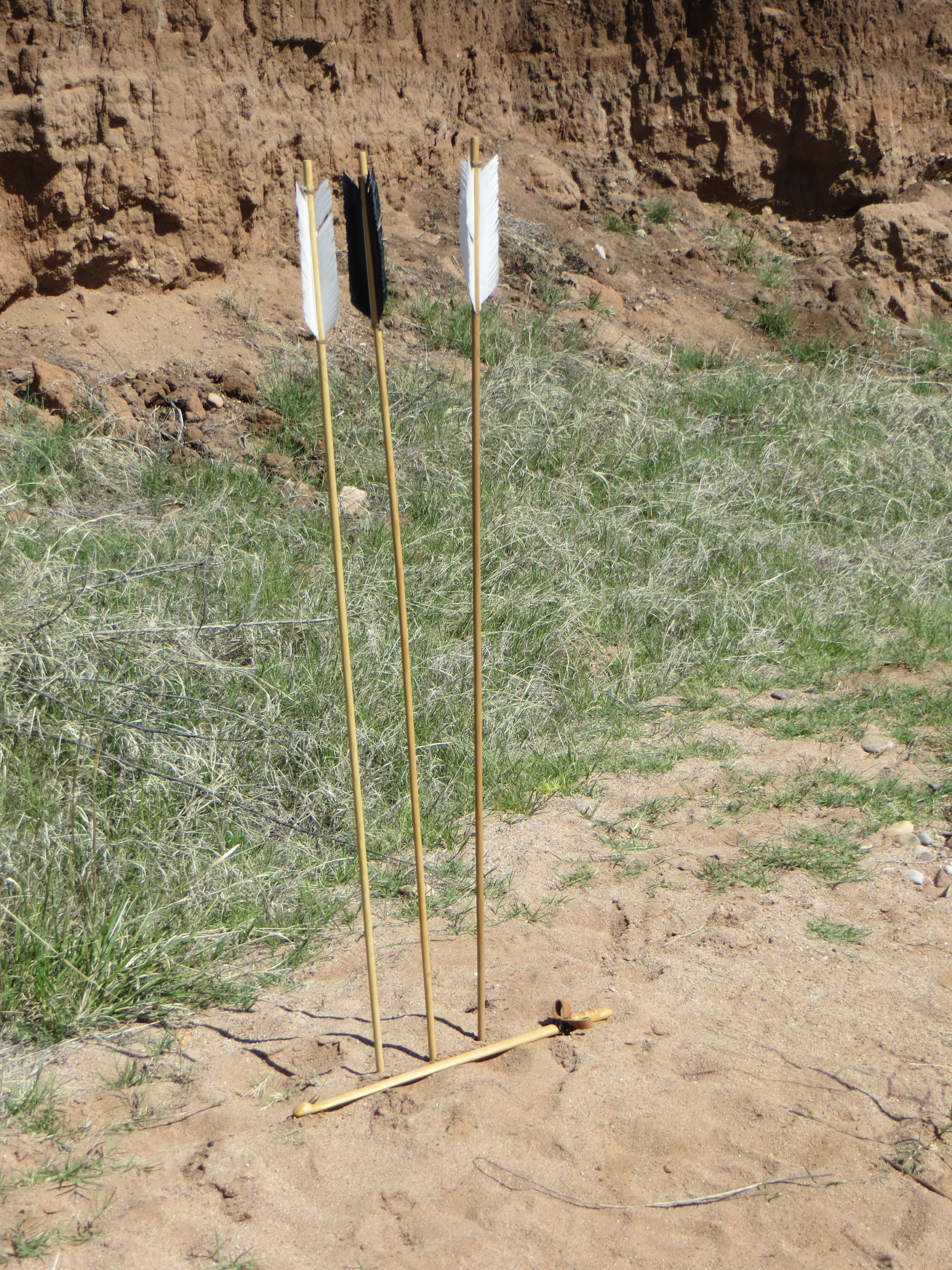
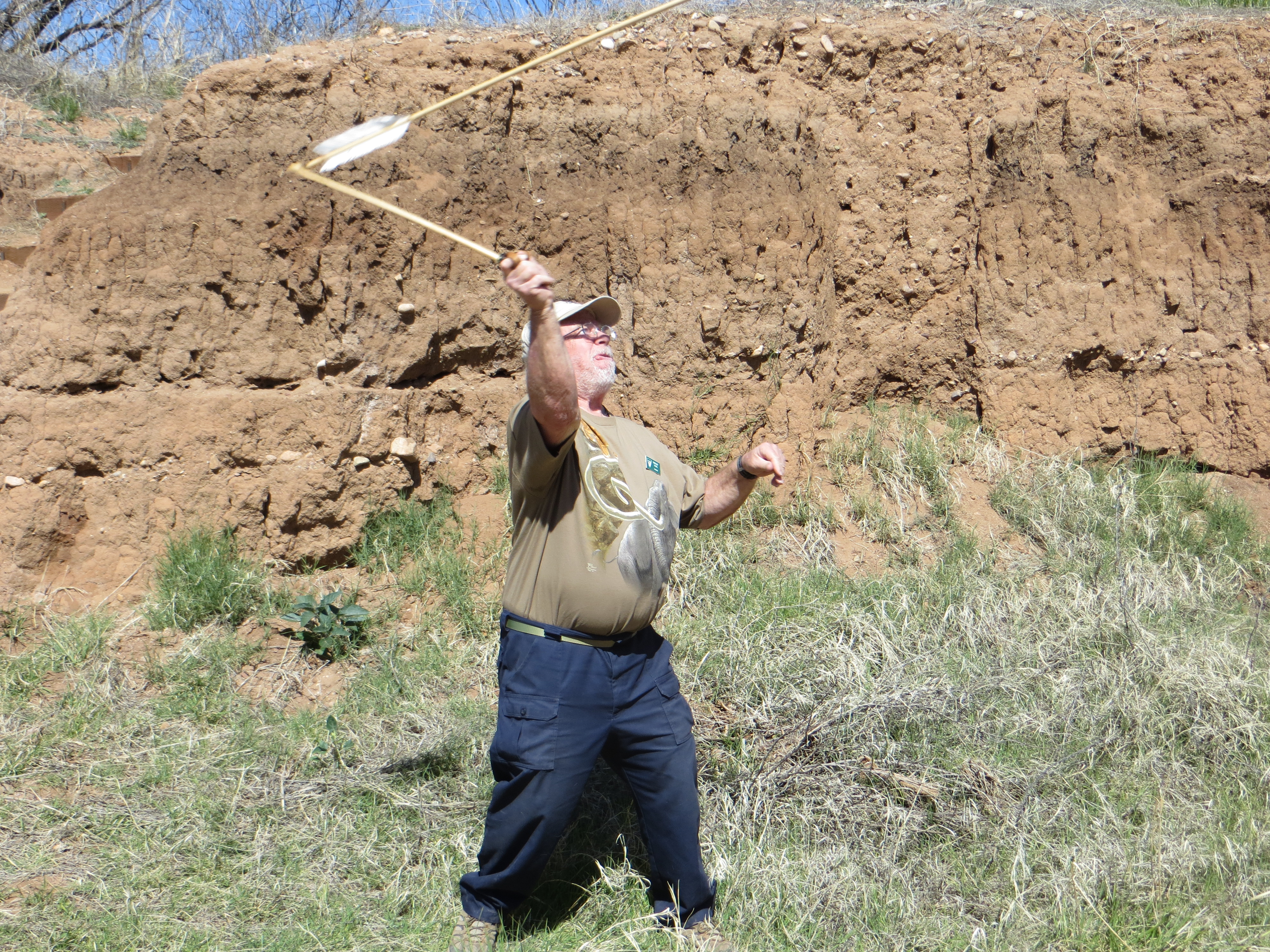
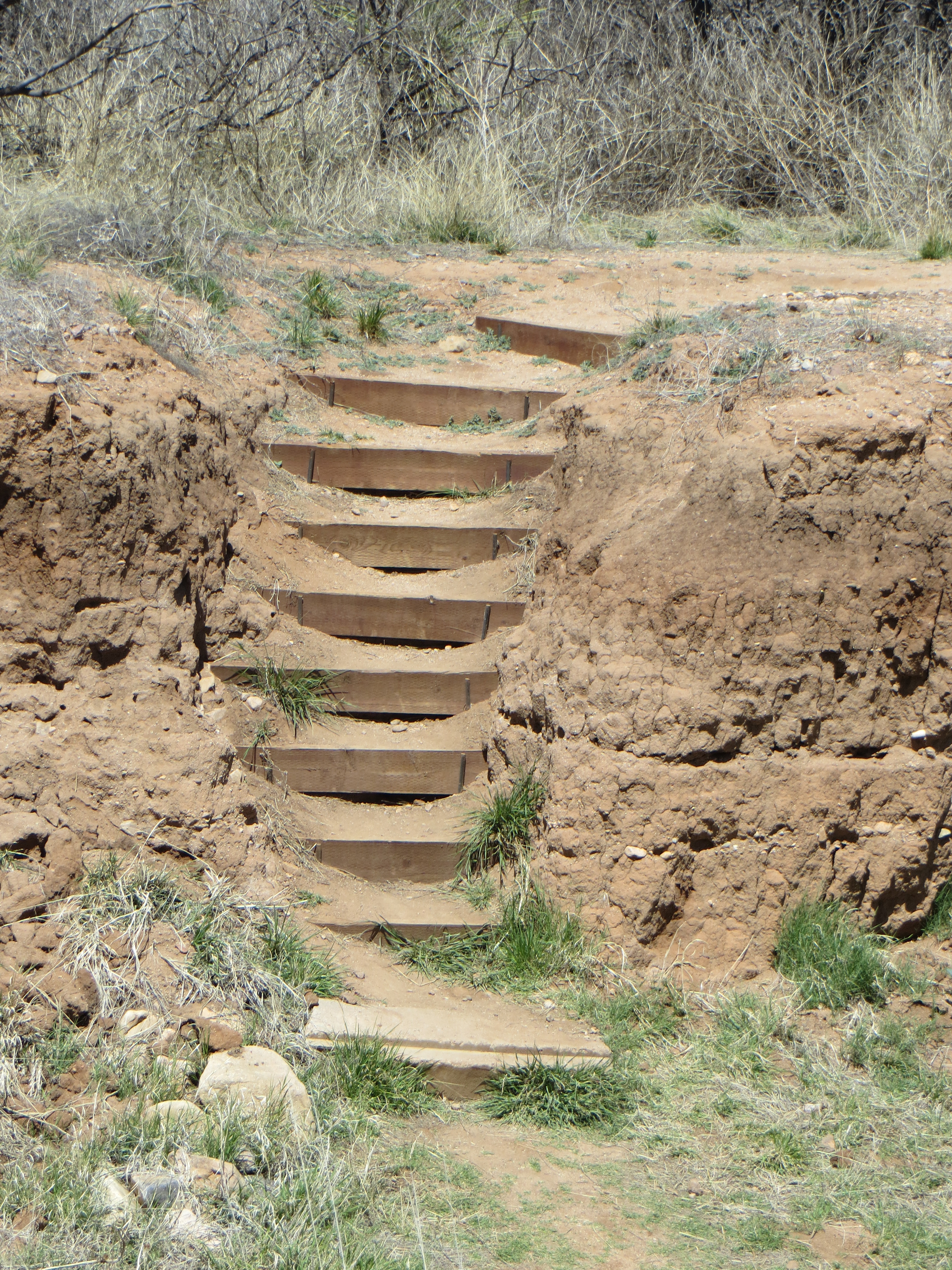
I pull in to the large parking lot, grab some water and hit the trail.  It’s a easy walk with lots of signs to direct me to the interpretive loop.  The loop crosses a stream bank.  The steps that lead down to it and back up again are mildly challenging.  In the stream bank, I notice three arrows sticking in the ground.

Interesting, but definitely not Clovis artifacts.

Interesting, but definitely not Ice Age artifacts.

I assume they are somehow related to the docent led tour I missed and find them interesting enough to stop and photograph them.  I take a look around and meet Chris Long, a docent for the Friends of the San Pedro.

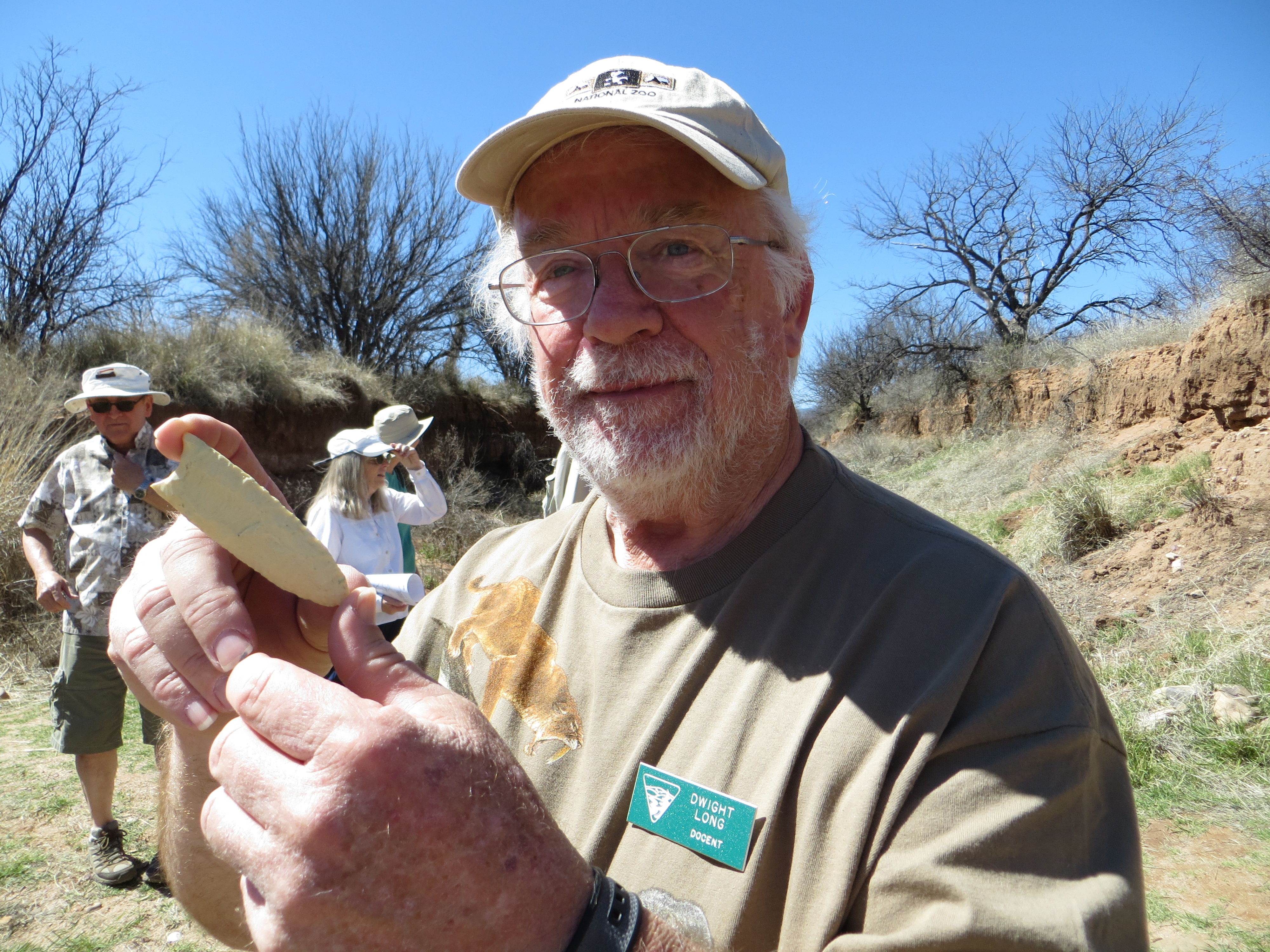
She begins to point out some of the geological features of the streambed to me. The dark layer is a black mat that was formed 12,900 years ago.  Fossils are found at the bottom of that mat.  Her husband Dwight is leading today’s tour and Chris tells me the group should be coming back shortly and sure enough they do.

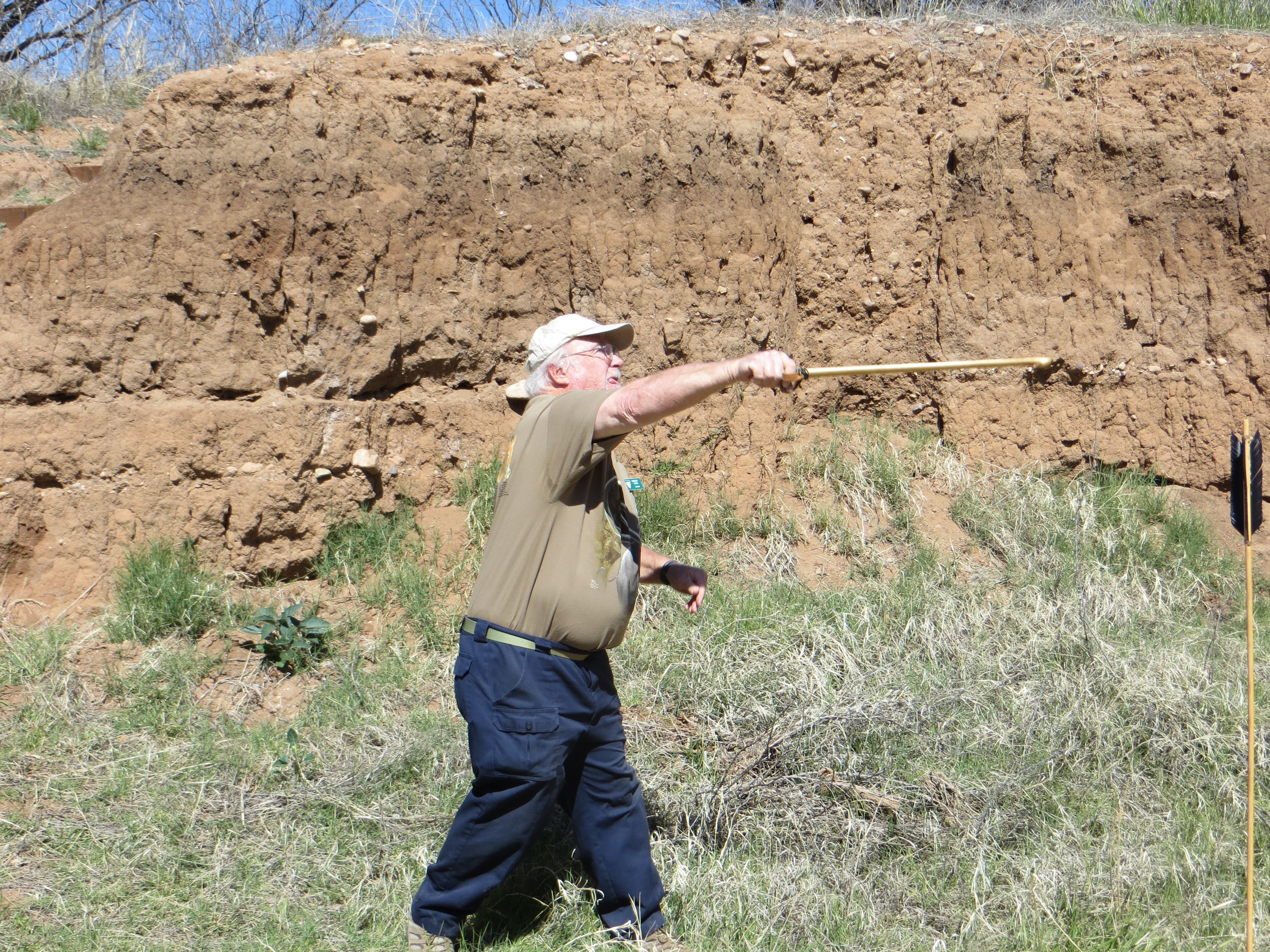
With the arrival of Dwight and the tour group, the meaning of the arrows is explained.  Using a throwing tool called an atlatl, it is believed that Clovis people used them to hunt game.  Aztecs and Mayans also used the tool.  Europeans used a version of the same thing.

The Murray Springs Clovis Site was created by nomadic hunters who stayed in the area to pursue large game, such as mammoth, horses, and bison. Archaeologists call them “Paleoindians.”   The term Clovis comes from the first site archaelogists found near Clovis, New Mexico in the 1930s with their distinctive artifacts.

Dwight shows me a replica of a Clovis tool.

Dwight shows me a replica of a Clovis tool.

It is one of the most important and well documented early human sites in North America. The site has yielded the most evidence of Clovis stone tool manufacture in the entire Southwestern U.S., and the evidence of large mammal butchering and use at the site is unsurpassed. The Murray Springs Site was created between 12,000 and 13,000 years ago, in the late Pleistocene era, by a small group of Clovis people, who camped nearby, and who hunted large animals as they came down to water in the arroyo.

The excavation was done between 1966 and 1971 at Murray Springs.  It is one of six Clovis sites in the San Pedro Valley.  There are more Clovis sites in Arizona that just about anywhere else.  Dwight claims this is one of the most significant sites in the world.  Archeologists found remains of three mammoths, one which was butchered, 12 bison, camel, lions, dire wolves and other game animals.

After I get the facts, things begin to get very interesting.  Dwight picks up what appears to be a stick with the ends wrapped in rawhide.  It’s an atlatl he explains.  The stick has a small knob sticking of it.  The shaft of the arrows have an indentation at the end of them.  Hunters would fit it onto the knob of the atlatl and hurl the arrow at prey.  The atlatl puts more force into the arrow and allows it to go a further distance.  Then Dwight makes things even more interesting by picking up an atlatl, notching an arrow on to it and letting it fly down the stream bed.  Even today, this ice age tool is pretty impressive.

IMG_2887 IMG_2892 IMG_2893 IMG_2894

IMG_2945

Stepping way back into Arizona’s past.

Following  Dwight’s fascinating demonstration, I haul myself up the steps and out of the streambed and walk the interpretive loop.  There are signs all along the loop to explain the history and signicance of what was found at this Clovis site.  The large interpretive signs deliver a lot of information.  Benches are strategically situated beneath trees and a ramada prove relief from the sun and give visitors the opportunity to take in the scenery and process all the information.  Dwight catches up with me on the loop to bring me a handout pointing out additional details of the excavation sites.

Now that I know where the Clovis site is, I’ll definitely report for duty and catch the tour from beginning to end next time.  Humans hunting Ice Age animals sounds like something out of a movie, but the interpretive loop at the Murray Springs Clovis Site and docents like Chris and Dwight Long bring the story to life.


.


Eureka!

Eureka! Good intelligence saves the day.


How the West is Fun: Touring a Southern Arizona Ghost Town

IMG_2664

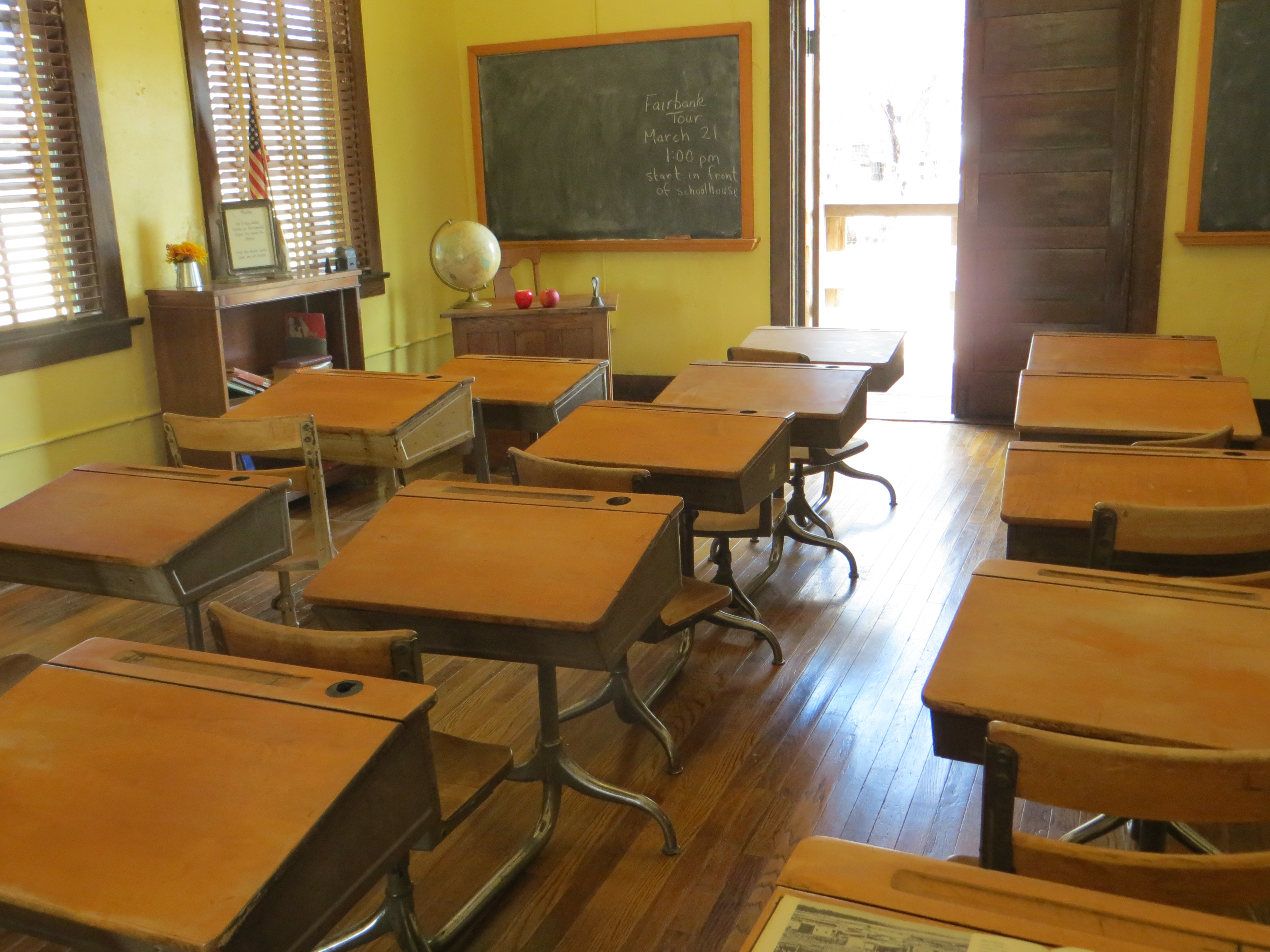
A look inside the two-room Fairbank schoolhouse.

Fairbank SchoolThink of the Old West and images of gunslingers, saloons and the railroad come to mind.  Just eight miles outside Tombstone, you get all that and more in Fairbank, one of the best preserved ghost towns in Arizona.  As folks moved West to mine and ranch, towns sprang up all over Cochise County in southeastern Arizona.  Some of these towns didn’t survive when the mining industry or cattle business went bust in their area.

Fairbank doesn’t get the traffic of its famous neighbor down the road, but this ghost town with a well-documented history doesn’t disappoint.  In addition to some fairly well-preserved buildings, there’s a great train robbery story with a famous Western law man and a gang of outlaws with names like Three Fingered Jack and Juan Bravo.  Although less known, the Fairbank Robbery rivals the story of the shootout at the O.K. Corral.

Situated next to the San Pedro River, Fairbank was first settled in 1881.  It was the closest train station to Tombstone.  Luxury goods and freight for Tombstone came in through the town and ore and cattle went out. On the opposite side of Highway 82  from Fairbank, you can still see the livestock pens where cattle were held for transport.

IMG_2703

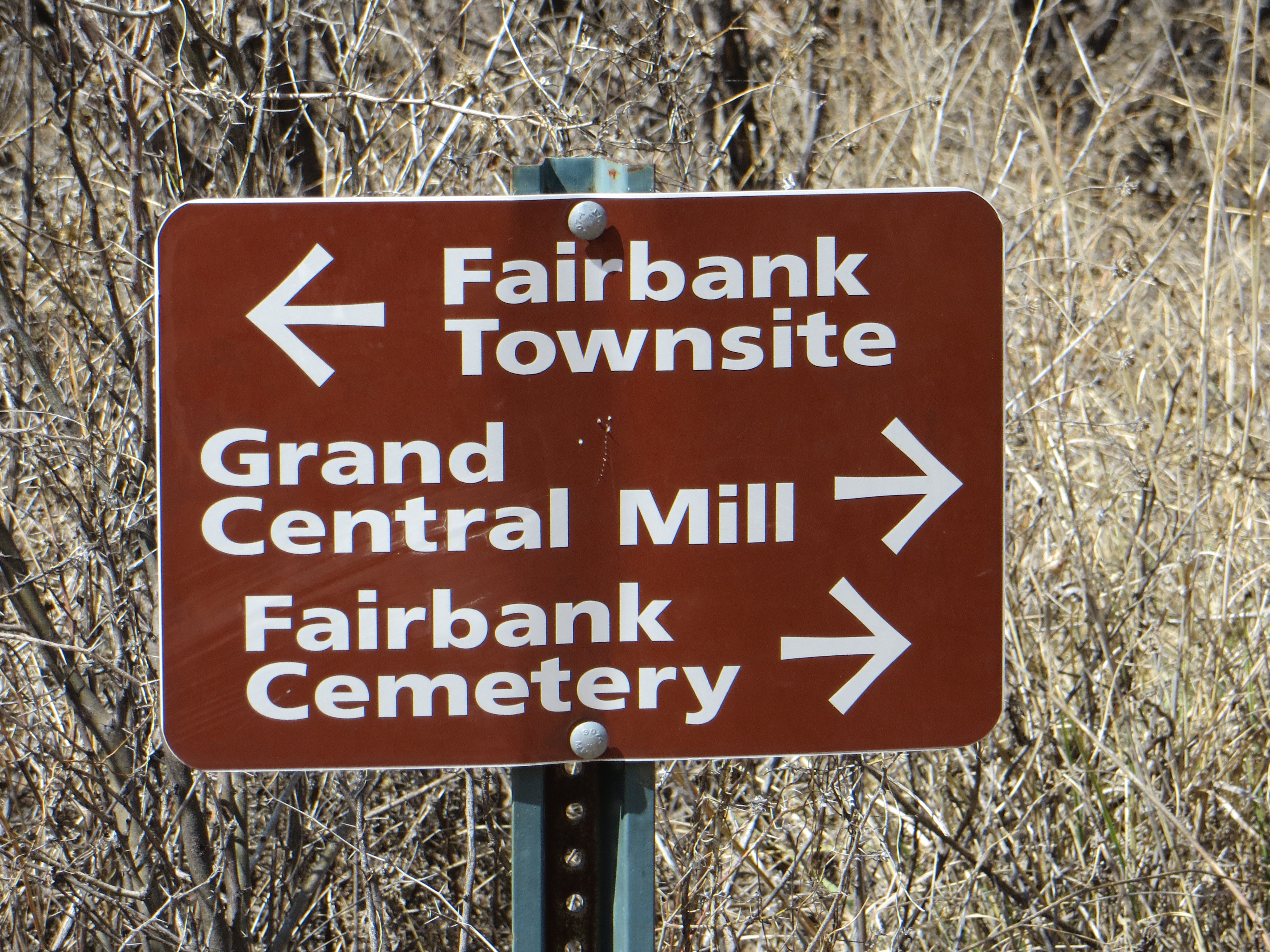
Fairbank is well-maintained by the Bureau of Land Management.  You can tour the town on your own.  There are lots of signs to point you in the right direction and stop by the Fairbank Schoolhouse (the best preserved building in town) where you can learn more about the town’s history, buy an ice cold bottle of water and purchase souvenirs.

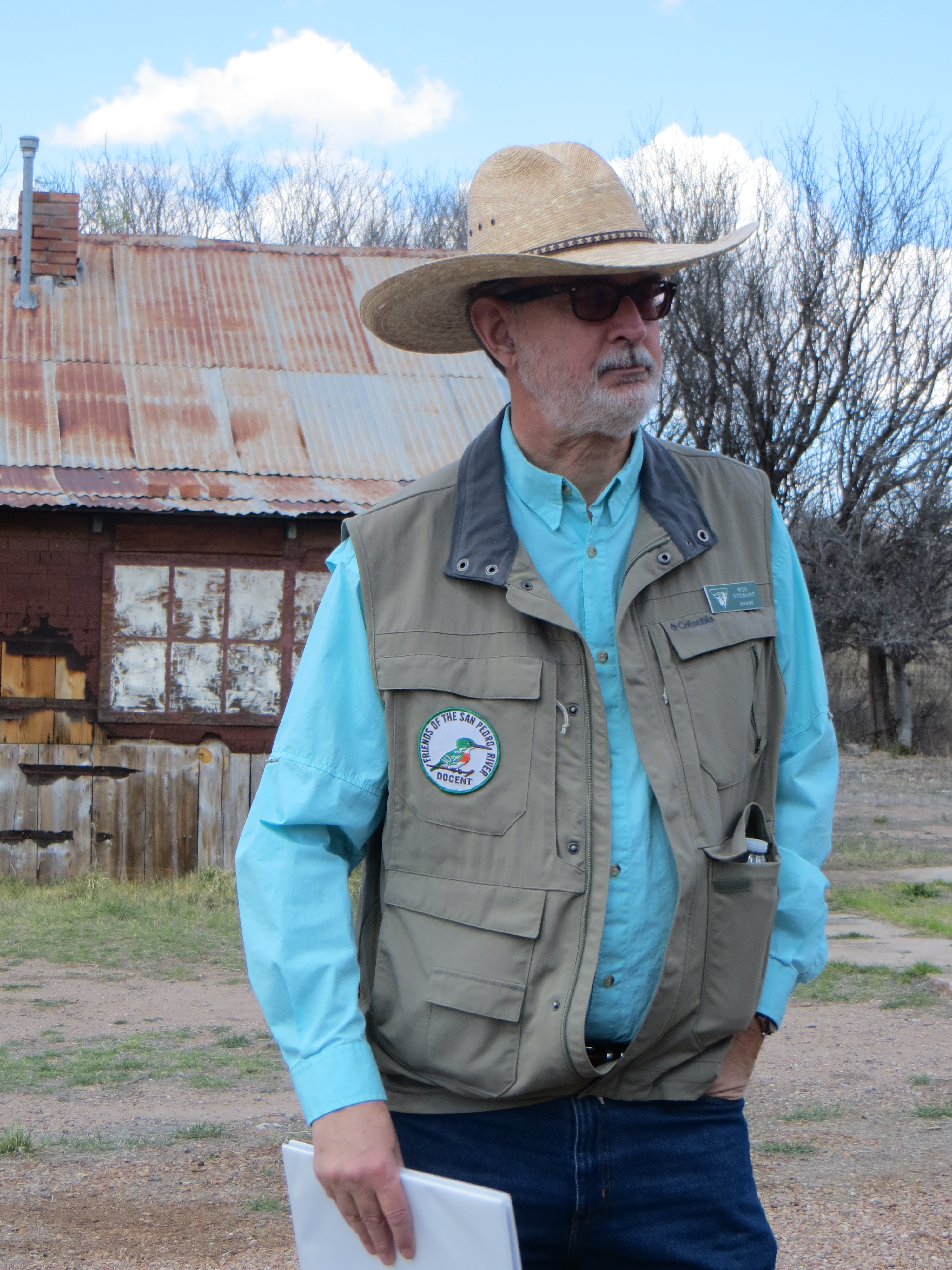
Docent Ron Stewart helps you find the echoes of the past in Fairbank.

Docent Ron Stewart helps you find the echoes of the past in Fairbank.

You can also take a tour led by a docent from the Friends of the San Pedro River.  I took a tour led by Ron Stewart.  He worked on Fort Huachuca and for the BLM in the Four Corners area.  He is extremely knowledgeable and well-versed in the history of Fairbank.  Ron reminded tour participants that visiting a ghost town wasn’t like visiting a museum where exhibits bring history to life.  Here, he instructed us, we had to look for echoes of the past.

From the school house we move on to the mercantile.  It served as a store, post office and gas station in it’s time.  Next door to it at one time was the Montezuma Hotel and the train station, also no longer there, was located across the street.  The railroad came through Fairbank until the 1960s.

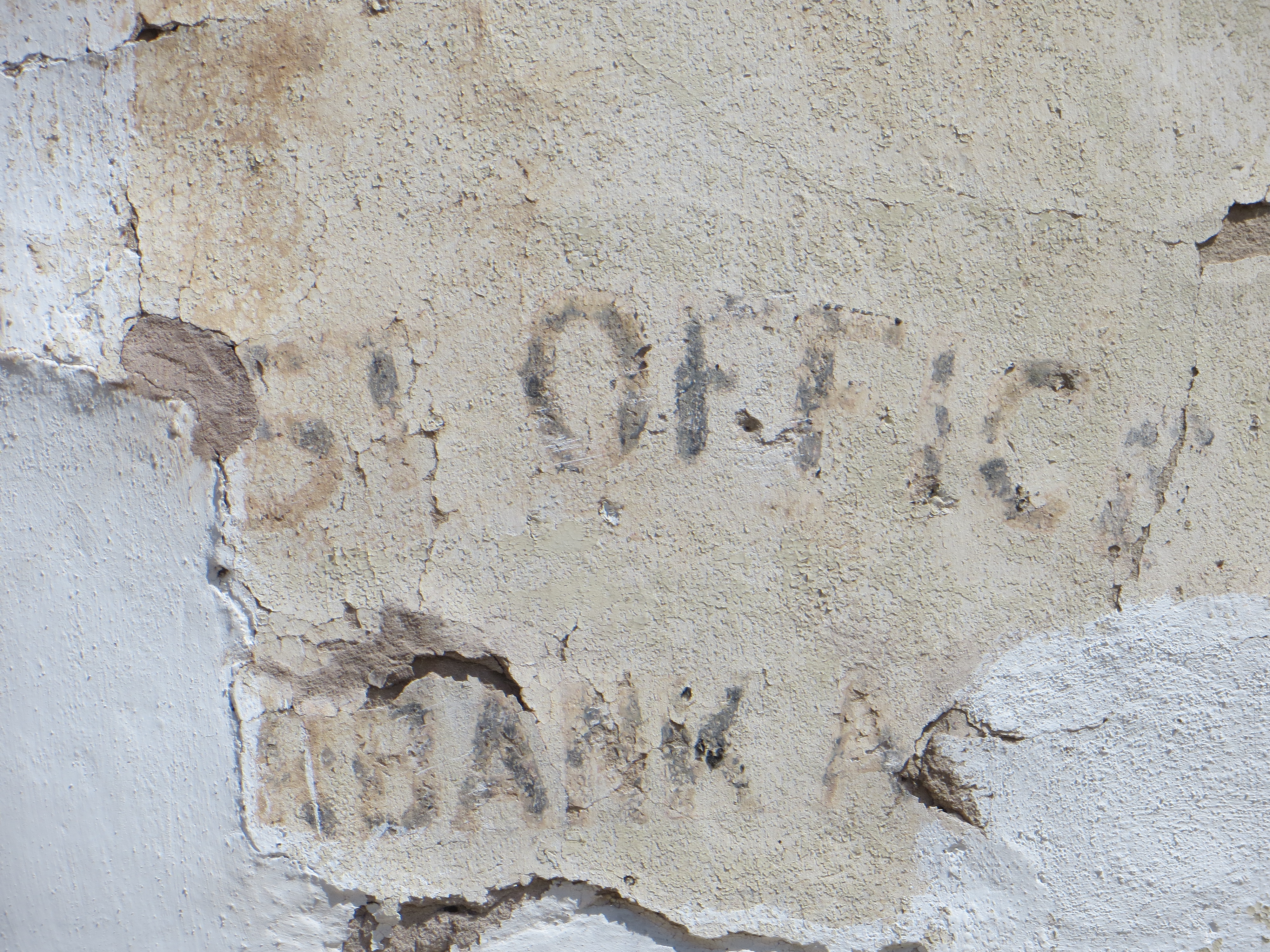
You can make out the words Post Office and Fairbank on mercantile building.

You can make out the words Post Office and Fairbank on mercantile building.

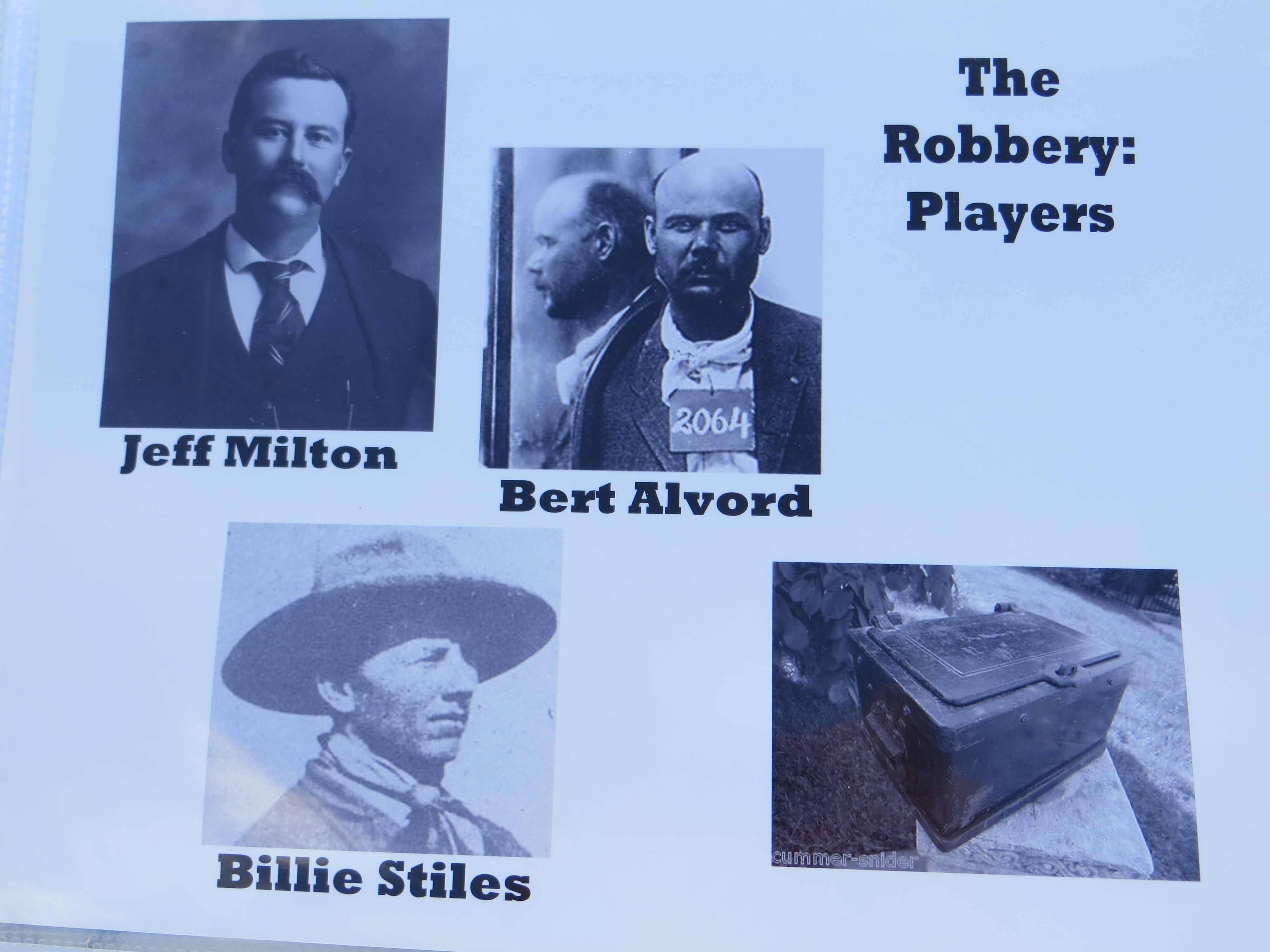
But let’s get back to our Old West train robbery story with its colorful characters.  It’s a cautionary tale about what happens when one assumes that crime pays better than law enforcement.  Bert Alvord and his partner in crime, Billie Stiles, were deputy sheriffs in Willcox, Arizona.  Greedy for more than their modest salaries provided, they organized a gang and began robbing trains.  As the local investigators into the robberies, Alvord and Stiles could often damage evidence that pointed to them.  For a time, crime did indeed pay for them.

Back in the 1890s, payroll wasn’t wired to accounts.  Money was physically moved on trains by Wells Fargo and paid out to workers.  After a few successes with train robbery, Alvord and his boys decided to go for a big haul and rob the Wells Fargo Express car on the train bringing the Fort Huachuca payroll to Fairbank.

IMG_2712Unfortunately, on Feb. 15, 1900, they weren’t banking on legendary lawman Jeff Milton filling in for a Wells Fargo Express agent who called in sick.  Milton was a former Texas Ranger and the first Border Patrol agent (he was issued badge Nr. 1).  Milton was shot in the left arm protecting the payroll, put a tourniquet on his arm and successfully shot and killed Three Fingered Jack, threw the keys to the safe into a stack of packages and then passed out.  Bert and his gang absconded with only a few dollars for their efforts and were later caught.  It was one of the last train robberies in the Old West.

Next, tour guide Ron took us out to the Fairbank cemetery.  It sits on top of a hill less than one-half mile from the mercantile.  As I walked along the trail I could can see evidence of foundations indicating former homes.

The cemetery isn’t showy.  There are no headstones indicating dates.  Only piles of stones with modest wooden crosses that have fallen on top of them.  What the cemetery does offer however, is a spectacular view of the valley.

IMG_2707

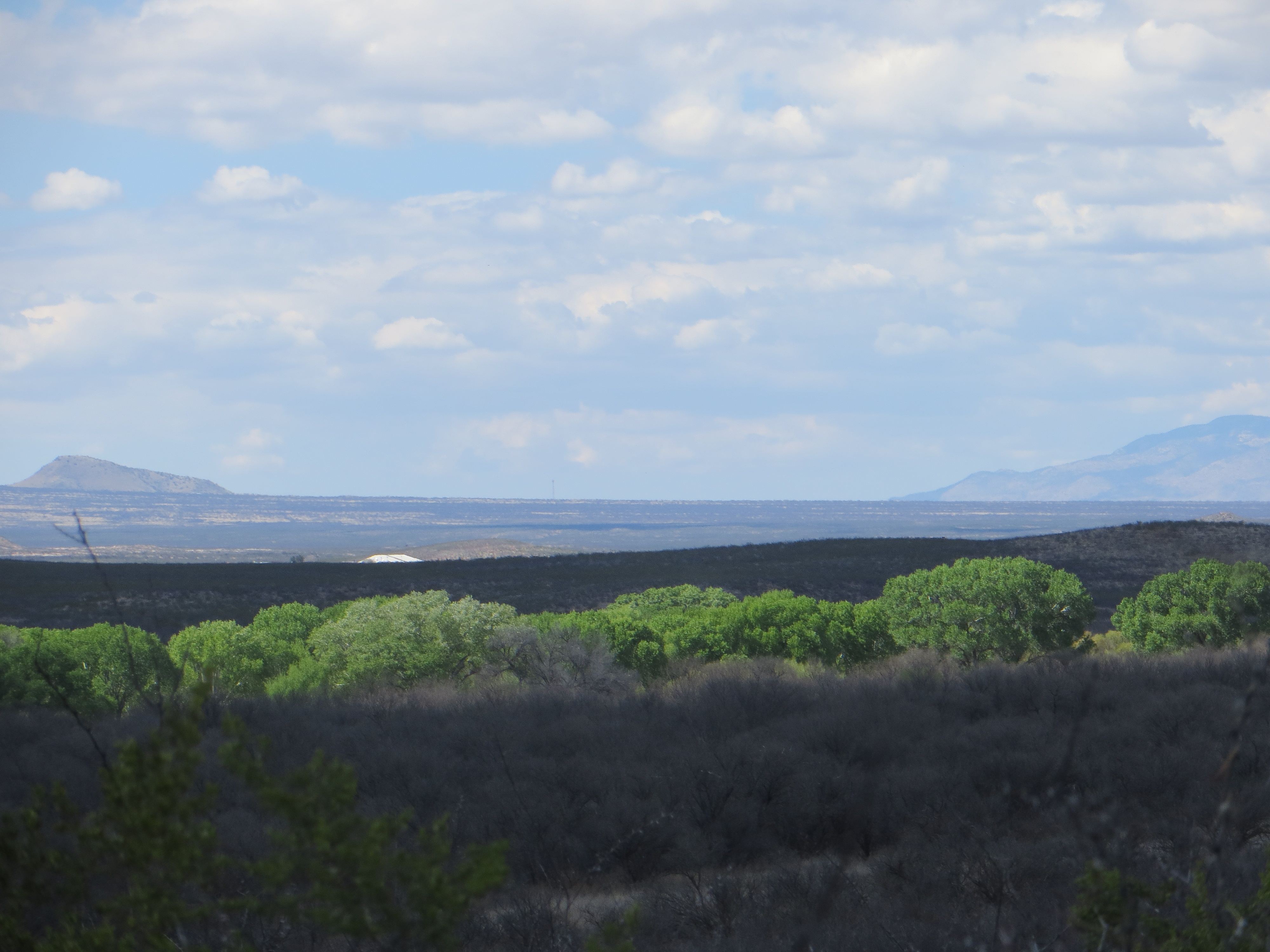
The view from the Fairbank Cemetery. The San Pedro River can be found if you follow the green ribbon of cottonwood trees. This riparian area serves as a superhighway for migratory birds and even boasts a population of beavers.

After a stroll down the hill back into town, I hear echoes of the past.  Maybe it was the sound of motorcycle groups riding to Tombstone or maybe the memory of a train bringing the payroll and luxury items into Fairbank.  With my new-found knowledge of the Old West history in my own backyard, I like to think it’s the latter.

Touring the Trifecta of Peeing Statues in Brussels

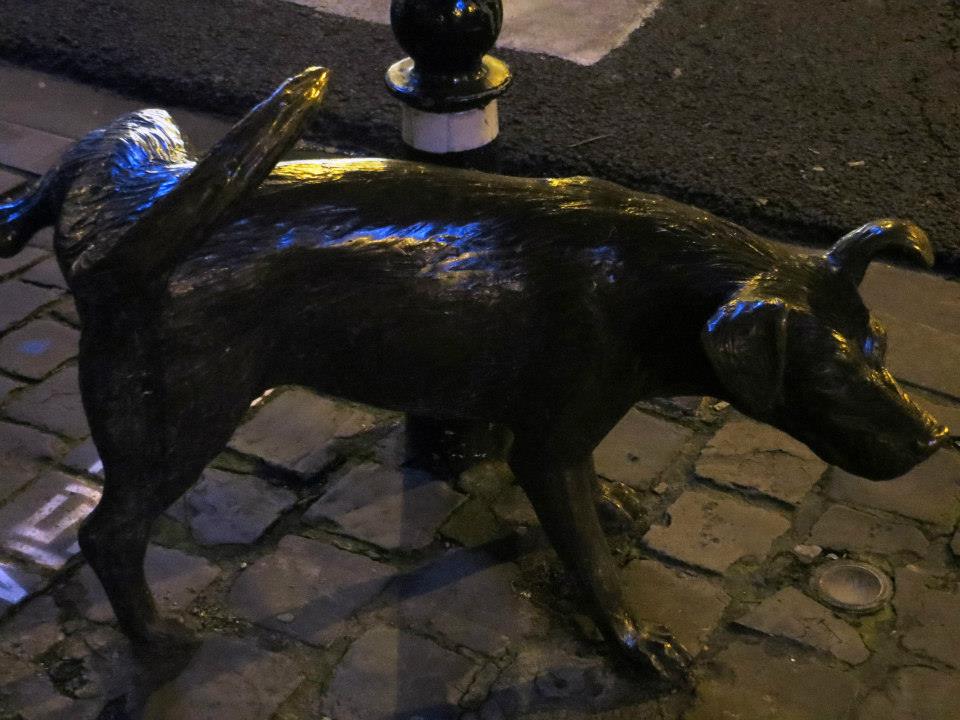
Nearly everyone’s heard of Manneken Pis, the peeing boy statue, in Brussels.  Few are familiar with Jeanneke Pis, the peeing girl statue.  But almost no one has ever heard of or seen . . . wait for it . . . Zinneke Pis, the peeing mutt statue.

I am hard pressed to explain the Bruxellois fascination with public urination.  There are dozens of versions of the story of the peeing boy.  Most center around the theme of a cheeky young lad saving the day by peeing on the enemy, a bomb, fire, etc., to save the day.

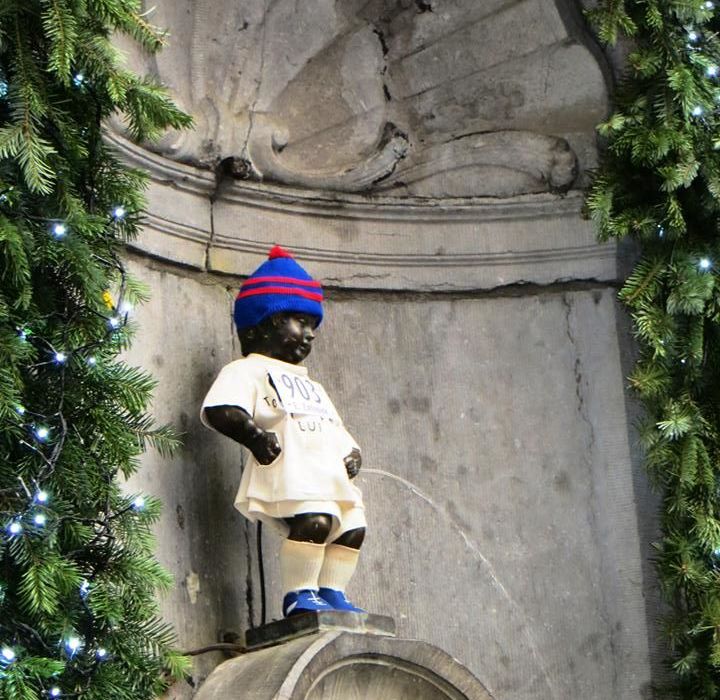
The two-foot tall bronze statue was made in 1619 by Brussels sculptor Hieronimus Duquesnoy and has been repeatedly stolen over the centuries.  The vintage of the current statue is 1965. The original restored version is kept at the Maison du Roi/Broodhuis on the Grand Place.

Manneken Waffle

It’s pretty hard to miss a bright green, 5 ft. tall, naked, peeing statue wearing yellow shades while eating a waffle.

Images of Manneken Pis are everywhere, in every size and color, hawking everything.  Hordes of tourists from all over the world swarm the statue day and night in Brussels’ old town, making it challenging to squeeze in and snap a picture.  The boy has his own wardrobe and goes through more costume changes than a performer at the Grammy Awards.

Manneken Coke

That better not be Coca Cola he’s spraying! I spotted this gem at the airport in Brussels.

The famous statue is located at the junction of Rue de l’Étuve and Rue du Chêne. To find it, bear left at the Brussels Town Hall on the Grand Place and walk a couple hundred yards southwest via Rue Charles Buls.

Of course, since Belgium is justifiably famous for its chocolate you can buy versions of Manneken Pis in white, milk and dark.  As I was fogging up the windows of one of thousands of chocolate shops near the Grand Place, my eyes landed on a lollipop version of the urinating statue.  Peeing boy on a stick?  Woohoo!  I know it’s wrong, oh so wrong, to lick the image of a naked boy but I knew my twisted friends would enjoy this tacky souvenir immensely (and they did).  I don’t know what was funnier, my dirty, smirking little laugh as I picked out my purchase or the shop girl laughing at my candy kink.

Manneken Pis Lollipop

If buying you is wrong, I don’t wanna be right.

Fueled with good humor and sugar, I was on to my next destination, the peeing girl.  She’s a fairly recent addition to the Belgian collection of urinating statues added in 1987.  Jeanneke is also located not far from the Grand Place.  Simply follow the steady stream of young, Japanese visitors and wind your way through a labyrinth of tourist-trap restaurants serving mussels (Mussels in Brussels, try it if that’s your thing.  I’ll stick with waffles, Frites and beer, thank you very much).

Jeaneke Pis

Jeanneke goes full Mrs. Claus for the holidays.

Jeanneke Pis is tucked away in a dark, narrow alley just past the Delirium Tremens bar.  She was a tad disappointing.  She’s protected by a metal bars and she’s going about her business in girl fashion, squatting with a hiked up dress.  I jostled my way to the front, shoved my camera through the metal bars and quickly snapped off a picture of her to prove to my friends on social media that I was actually there.  (Postcards are sooooo last century.)  Now two for two, I’m energized to locate the third peeing statue.

In the local dialect the word “Zinneke” means bastard dog. Like all good mutts, Zinneke Pis is hard to find.  He’s located away from the cheek-to-jowl, hustle/bustle of souvenir and chocolate shops around the Grand Place.  Also it was December and dark, making the task at hand that much more difficult.

I began to feel like Marlin Perkins in search of the elusive white rhino on an old episode of “Mutual of Omaha’s Wild Kingdom.”  Inspired by this thought, I did what most of the big game hunters do. I got out my tracking device, Googled peeing dog Brussels and then used MapQuest to hunt him down.  (Okay, my compellingly curious travel kittens — don’t try this abroad.  It was dark, I was alone, I’m in a foreign city.  We’ve all seen this movie on Lifetime and know how it ends.)

Zinnecke Pis

Zinneke Pis joined the dynamic duo of peeing statues in 1998.

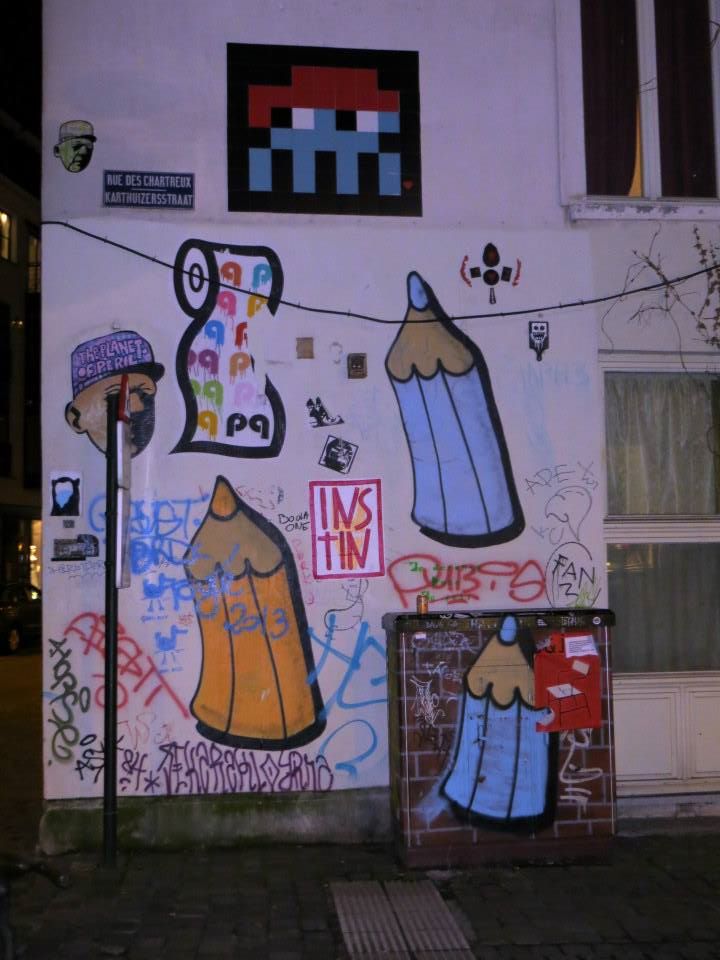
Perhaps me taking orders from a talking smart phone (and I may or may not have been talking back) weirded out enough people to stave off an attack.  After quite a bit of the road-less-traveled style wandering through extremely scenic downtown Brussels, I wound up near the Fish Market area at the corner of rue des Chartreux and rue du Vieux-Marché with my quarry insight.

I’d saved the best for last.  Nobody puts Zinneke Pis in a corner.  He’s just out on the street calmly going about his mutt business without a lot of fanfare.  No metal bars, no fighting with heaving masses of other tourists, just unfettered, 360-degree access to a urinating statue.  But that wasn’t even the coolest part of the experience, although it was pretty freaking cool.
Zinnecke Graffitti

Groovy graffitti

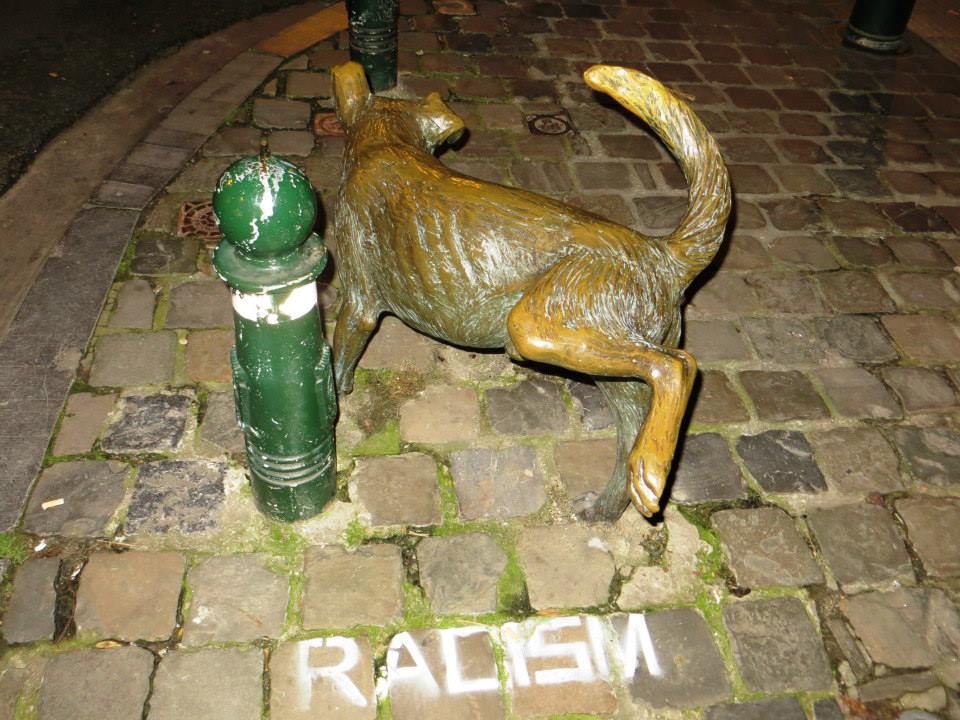
Belgium has a great cartoon culture.  The Adventures of TinTin and the Smurfs were born here.  Scenes from some of these famous cartoons decorate the walls of buildings downtown.  Inspired by this tradition, local artists had done some super groovy graffitti around Zinneke Pis.  On the day I found him, Zinneke Pis was peeing on the word “racism.”  That put a bigger smile on my face than all the Manneken Pis lollipops in the world.
Zinneke Racism

Right on, Muttly! I think racism sucks too.

Zinneke Pis is definitely the crown jewel in the trifecta of urinating statues in Brussels.  Tracking him down was well worth me indulging my compelling curiosity.

Allied Soldiers Influenced the Creation of Berlin’s Currywurst

It’s a street food so iconic that it has its own flavor of potato chips, a song, Google doodle and a museum. The Currywurst is a memorable part of most service members and their families’ experience in Germany. But did you know that flavors loved by American and British Soldiers aided in the birth of this snack?

I didn’t. I’m a German-American Air Force brat and my very first memories of my life are of living in Berlin with my grandparents while my dad did a one-year remote tour in Thailand during the Vietnam War. Just the thought of a Currywurst makes me drool and immediately brings back fond, childhood memories of Berlin. It’s a pretty basic dish (Bratwurst with a curry-flavored ketchup sauce), so I thought I pretty much knew everything about it. Wrong!

My curiosity compelled me to visit the fairly new Deutsches Currywurst Museum (www.currywurstmuseum.com) a few years ago and I was amazed with what I learned. Not only was Currywurst invented in my mom’s home district of Berlin-Charlottenburg, but its creation was influenced by allied Soldiers. My relationship with Currywurst became extremely personal. It’s a microcosm of my heritage on a paper plate.

According to the Deutsches (German) Currywurst Museum, it’s no coincidence that the invention of the Currywurst is rooted in the unique environment of post-World War II Berlin. There was less to eat then and everything was in short supply. The allied forces brought new influences and unknown food items to the city, such as American-style ketchup and English curry powder. Curry was a relatively unknown ingredient in German cuisine at the time. People became creative with the little that was available.

Berliner Herta Heuwer definitely got creative with some of these new ingredients and concocted a unique sauce. She sold her first Currywurst on Sept. 4, 1949. Her snack stand was located at the corner of Kant and Kaiser Friedrich Strasse in Charlottenburg, a western borough, and she named it “First Currywurst Roaster in the World.” She patented her “Chillup Sauce” in 1959. A food phenomenon was born.

My obsession with the taste of Berlin grew even stronger when I learned that the Currywurst was invented in my mom's home district of Berlin-Charlottenburg.  In fact, the first Currywurst stand was right around the corner from where I used to go shopping with my Oma.

My obsession with the taste of Berlin grew even stronger when I learned that the Currywurst was invented in my mom’s home district of Berlin-Charlottenburg. In fact, the first Currywurst stand was right around the corner from where I used to go shopping with my Oma.

Currywurst is an urban food, a factor in the economy, an icon and it’s hip. It’s part of Berlin’s cultural heritage, has been celebrated in films and books and is a source of inspiration for artist, authors, musicians, movie makers, gourmets and the media. This spiced sausage snack has generated many curry-scented memories for Americans who have served in Germany.

“Imbiss (fast food) stands were everywhere in Berlin,” says my dad, retired Air Force Col. Harold Linton, who first ate Currywurst during his assignment to Tempelhof Air Base as an Airman 2nd Class in 1960. “There was one at the corner of Columbia Damm and Tempelhofer Strasse and I would eat a Currywurst right before I headed back to base after a night on the town. Everyone, it didn’t matter if you were rich or poor, ate Currrywurst.” My dad and my mom Ingrid, who is from Berlin-Charlottenburg – birthplace of the city’s favorite sausage – agree that the taste of Currywurst and its easy availability in the city make it an important part of their Berlin memories.

My hometown Sierra Vista in southeastern Arizona seems like an unlikely place to find a Currywurst on the menu, but it isn’t really surprising given the Soldier influence on food here. After all, the world’s first McDonald’s drive-through was created here because of an order in the early 1970s restricting Soldiers from patronizing local business while wearing their uniform. A Currywurst on the menu of a local German restaurant makes good business sense here.

“Currywurst is a popular dish, not only all over Germany, but also here in the U.S in our German restaurants. Currywurst with french fries is one of the most favorite dishes in the café. We have such large requests that we started making our own curry-sauce, using a German recipe,” said Annette Engols, owner of the German Café.

Fort Huachuca employee Rafael Monge lived in Nuernburg as a family member in 1979 and 1980, and later served his first tour in the Army at the airfield in Giebelstadt from 1987 to 1993. “An Imbiss truck would drive on to the base and park between two barracks. The guy who ran it was named Jimmy, so the Soldiers called it the Jimmy Truck,” says Monge. “As it got closer to payday and money was tight, we would rifle through our change jars to come up with the 3 Deutschmark to buy a Wurst.”

Retired Army Sgt. 1st Class Dexter Marquez who also works on Fort Huachuca, enjoyed a close relationship with Currywurst during his assignment to Armed Forces Network Berlin from 1989 to 1994. Then a young private first class, he remembers his sergeant taking him to the Kudamm shortly after his arrival to get to know the city and enjoy some night life. Near the Gedächtniskirche on the Kudamm, the sergeant bought Marquez his first Currywurst at an Imbiss stand. “Holy cow! I immediately fell in love and thought this is the greatest snack of all time,” said Marquez. “I ate four more after the first Currywurst!” A love affair begun, Currywurst was in heavy rotation in his diet during his years at AFN Berlin.

Currywurst has inspired many service members’ treasured memories of Germany and has legions of fans all over the world, but what lead to the creation of its own museum in Berlin? “The idea first came up during a holiday trip to Jamaica. Martin Löwer, the initiator and curator, visited an exhibition about the yam root which is a typical national food item there. By thinking about something similarly popular in Germany and especially Berlin, the idea of the Deutsches Currywurst Museum was born,” says Bianca Wohlfromm, director for Community and Media Management at the museum.

Research on the topic began in 2005 and the exhibition featuring the Currywurst finally opened in August 2009. The interactive museum tells all aspects of the Currywurst story, encouraging visitors to use their sense of sight, hearing and smell, and of course, finally taste. The Deutsches Currywurst Museum is the recipient of five design awards.

“The success story of Currywurst is a phenomenon. Due to the history, it is part of Germany’s cultural heritage. But no other fast food has ever been such an inspiration for songwriters, authors, comedians, artists and their different requirements. Currywurst represents simplicity and honesty, being in the world, down-to-earth – but yet special. This is one reason for picturing celebrities or politicians with a Currywurst,” says Wohlfromm. “It made a culinary career – the Currywurst as a snack stand, fast food product served on a paper plate is a respectable dish at gala events nowadays, usually served on a porcelain plate in the shape of the traditional paper plate. There are even luxury versions served with gold powder or gold leaf on top available from time to time,” Wohlfromm adds.

Bratpfanne

Zur Bratpfanne on the Schlossstrasse in Berlin-Steglitz is a favorite place to enjoy a taste of my Berliner heritage after some retail therapy. It’s popular with taxi drivers and this Imbiss stand with its classic menu is always busy.

With the fall of the Berlin Wall and the end of the Cold War, allied forces departed Berlin by September 1994. The legacy of thousands of American and British service members who served in the city and Berliner ingenuity will always be celebrated every time ketchup and curry come together on top of a German sausage served on a paper plate anywhere in the world.